
Understanding Intermodal Transportation Services: A Strategic Guide
What is Intermodal Transportation?
Intermodal transportation refers to the use of more than one mode of transport to move goods from origin to destination. This method typically involves a combination of trucks, trains, ships, and sometimes planes. The primary benefit is that it combines the strengths of different transportation modes, offering a more efficient and flexible supply chain solution.
By using specific containers that can be easily transferred between different transport modes, intermodal transportation minimizes cargo handling. This reduces the risk of damage and improves security, making it an attractive option for businesses looking to streamline their logistics processes.

Benefits of Intermodal Transportation
Cost Efficiency
One of the most significant advantages of intermodal transportation is cost efficiency. By leveraging the strengths of each mode, businesses can reduce shipping costs. For instance, trains offer lower fuel costs over long distances, while trucks provide flexibility in reaching final destinations. Combining these can lead to substantial savings.
Environmental Impact
Intermodal transportation is often more environmentally friendly. Trains, for example, can move a ton of freight over 400 miles on a single gallon of fuel, which significantly reduces carbon emissions compared to road transport. By choosing intermodal options, companies can enhance their sustainability efforts.

Key Components of Intermodal Transportation
Containers
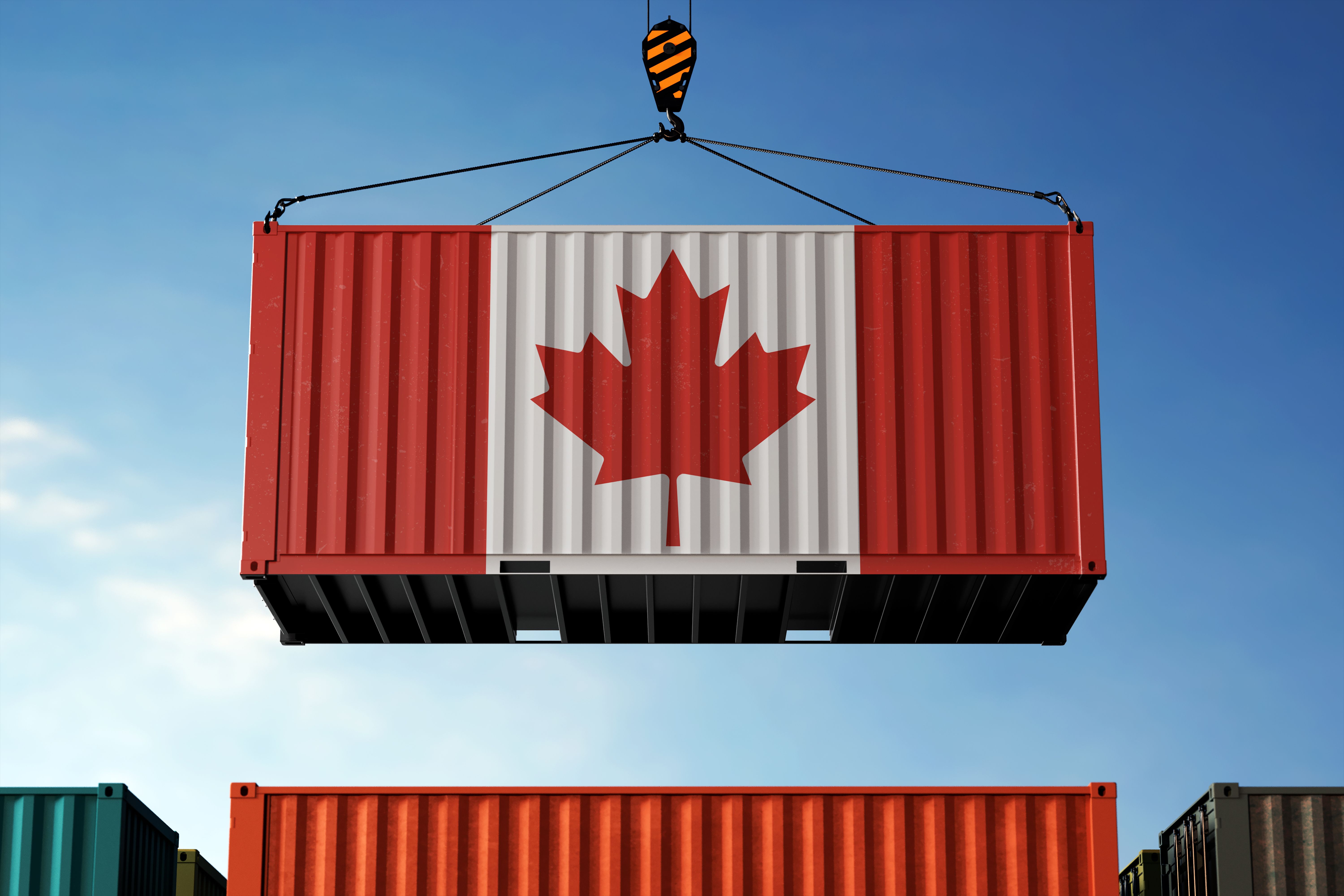
Standardized containers are crucial to intermodal transportation. These robust and secure containers can be transferred seamlessly between trucks, trains, and ships. This standardization simplifies logistics and ensures goods remain safe throughout the journey.
Terminals
Intermodal terminals are specialized facilities where goods are transferred between different transportation modes. These hubs are strategically located to optimize transit times and costs, acting as pivotal points in the supply chain.
Challenges in Intermodal Transportation
Complex Coordination
While intermodal transportation offers numerous benefits, it also involves complex logistics and coordination. Managing schedules, ensuring timely transfers, and dealing with potential delays require meticulous planning and robust communication networks.
Infrastructure Limitations
The effectiveness of intermodal transportation often depends on the availability and quality of infrastructure. In some regions, inadequate rail networks or poorly equipped ports can pose significant challenges, affecting the overall efficiency of the supply chain.
Implementing Intermodal Solutions
To successfully implement intermodal transportation, businesses must collaborate with experienced logistics providers. These experts can offer insights into optimizing routes, managing costs, and navigating regulatory requirements. By partnering with the right providers, companies can enhance their logistics operations and achieve a competitive edge.