Understanding Drayage: A Comprehensive FAQ for Shippers
In the world of logistics, drayage is a critical service that facilitates the movement of goods over short distances. Whether you're a seasoned shipper or new to the industry, understanding drayage is essential for optimizing your supply chain operations. This comprehensive FAQ will address the key aspects of drayage to help you navigate this important part of the shipping process.
What is Drayage?
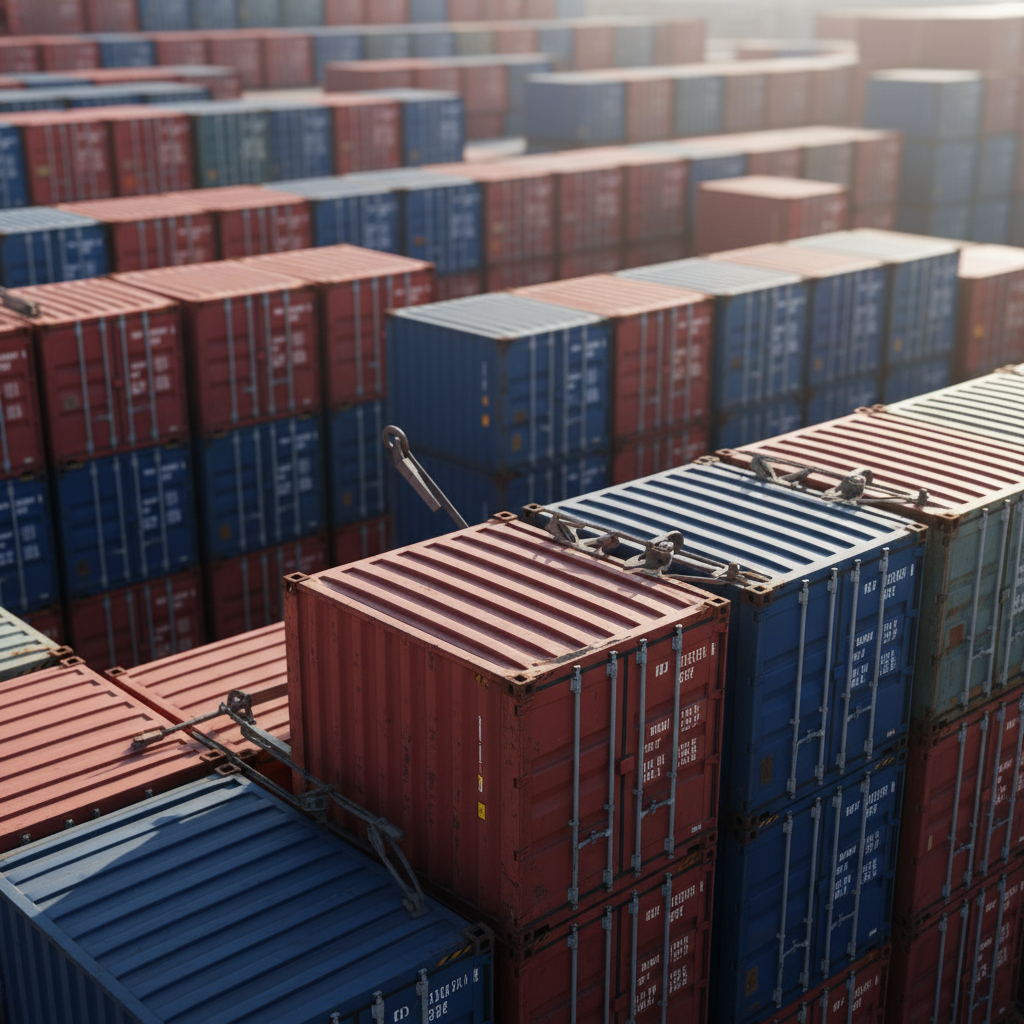
Drayage refers to the transport of goods over a short distance, typically involving the transfer of cargo between different modes of transportation. This might include moving goods from a ship to a warehouse, rail terminal, or truck depot. Drayage is a crucial link in the logistics chain, ensuring that goods reach their next destination efficiently.
Types of Drayage
Drayage can be classified into several types based on the specific needs of the shipment:
- Intra-Carrier Drayage: Movement of goods within the same carrier's network.
- Inter-Carrier Drayage: Transfer of goods between different carriers.
- Door-to-Door Drayage: Direct delivery from the port to the final destination.

Why is Drayage Important?
Drayage plays an essential role in ensuring the smooth transition of goods between various stages of the supply chain. It is especially crucial for international shipments that involve multiple transportation modes. Effective drayage helps reduce transit times, minimize handling, and lower costs.
Challenges in Drayage
Despite its importance, drayage can present several challenges, including:
- Port Congestion: High traffic at ports can lead to delays.
- Regulatory Compliance: Adhering to local and international regulations.
- Environmental Concerns: Managing emissions from drayage trucks.
How Can Shippers Optimize Drayage?
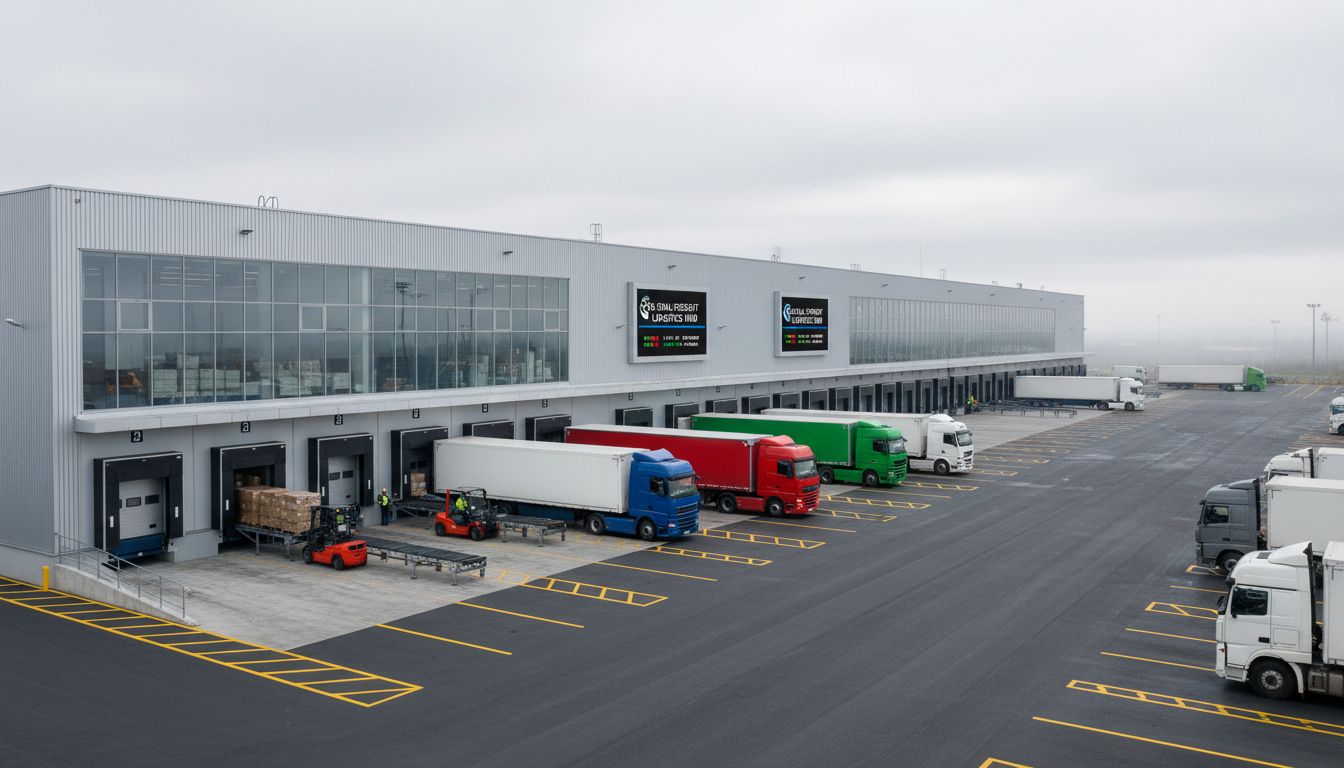
Optimization of drayage requires strategic planning and coordination. Here are some tips for enhancing your drayage operations:
- Partner with Reliable Carriers: Choose carriers with a proven track record in drayage services.
- Leverage Technology: Use software tools for tracking and managing shipments in real time.
- Plan Ahead: Forecast demand and plan routes to avoid congestion and delays.
Future Trends in Drayage
The drayage industry is evolving with advancements in technology and environmental initiatives. Expect to see increased use of electric trucks, automation in logistics processes, and more emphasis on sustainability in the near future.
Understanding and optimizing drayage is crucial for any shipper looking to enhance their logistics operations. By staying informed and proactive, you can ensure efficient and cost-effective movement of goods, ultimately contributing to a more streamlined supply chain.