Sustainable Freight Solutions in NYC: A Greener Future
The Growing Need for Sustainable Freight Solutions
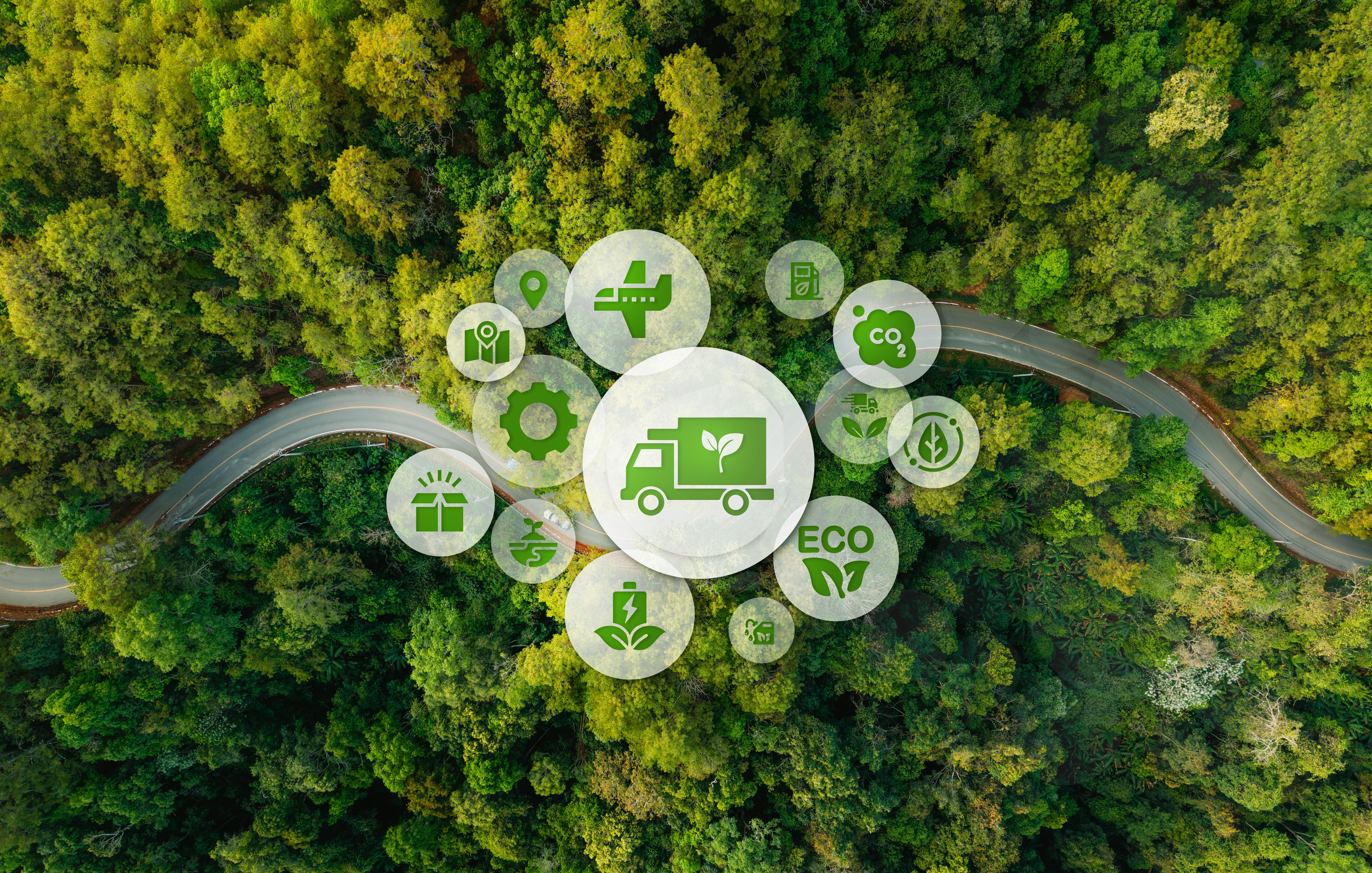
In the bustling metropolis of New York City, the demand for goods is relentless, making freight transportation a critical component of the city's economy. However, traditional freight methods contribute significantly to air pollution and traffic congestion. As the city aims for a greener future, sustainable freight solutions have become an imperative focus for urban planners and businesses alike.
Adopting eco-friendly transportation methods not only benefits the environment but also enhances the efficiency of supply chains. As NYC sets ambitious goals to reduce carbon emissions, the freight industry is exploring innovative strategies to align with these objectives.
Electric Vehicles: The Future of Urban Freight
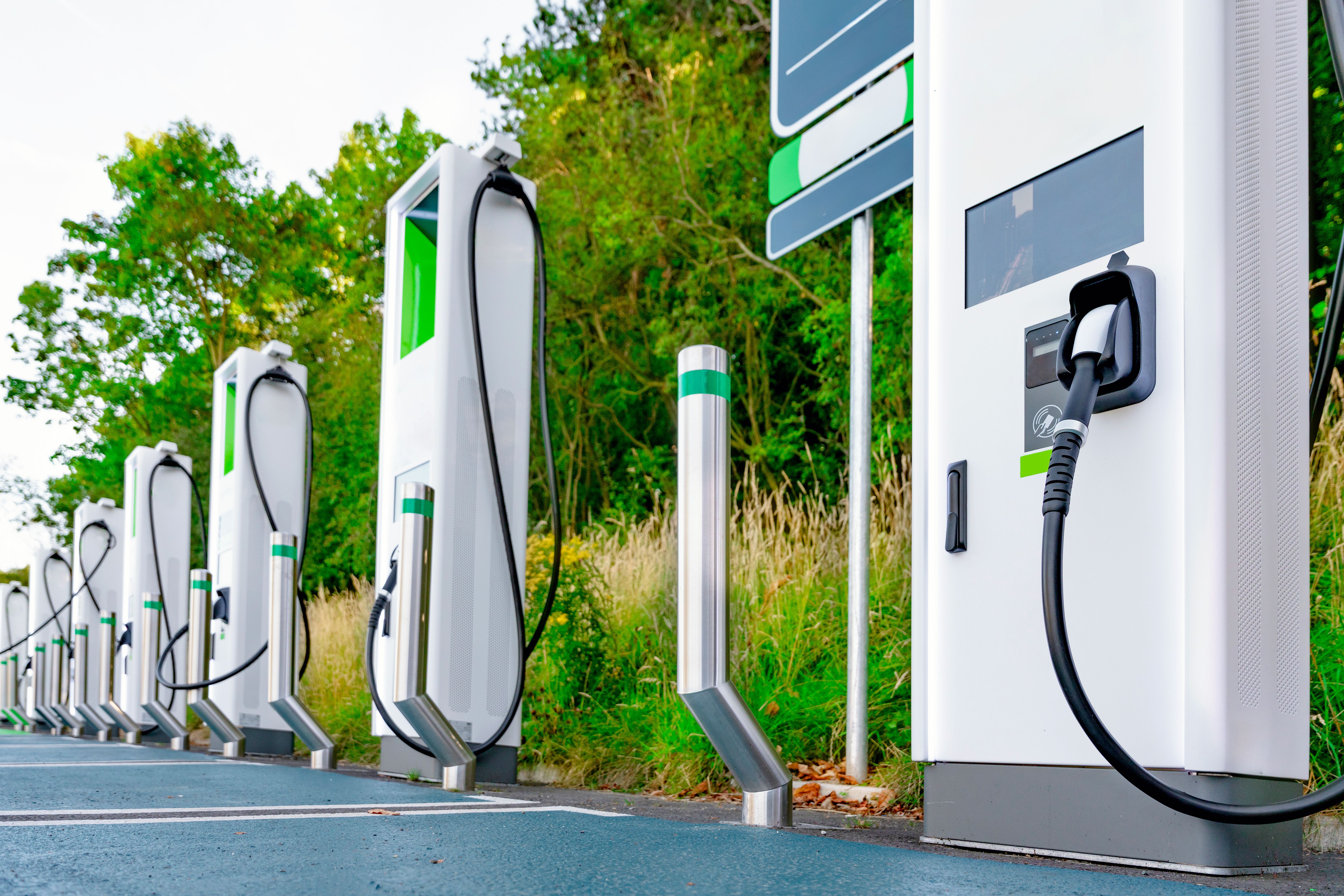
Electric vehicles (EVs) are at the forefront of sustainable freight solutions. By replacing diesel-powered trucks with EVs, NYC can significantly decrease its carbon footprint. These vehicles offer a quieter and cleaner alternative, reducing noise pollution and improving air quality.
Several companies are already investing in electric fleets, recognizing the dual benefits of cost savings on fuel and maintenance, alongside the environmental advantages. As charging infrastructure expands, the adoption of EVs in freight operations is expected to accelerate.
Challenges and Opportunities
While the transition to electric vehicles presents challenges, such as initial investment costs and infrastructure development, the long-term benefits are substantial. Government incentives and partnerships with private sectors can facilitate this transition, making it more accessible for businesses of all sizes.
Alternative Modes of Transportation
Beyond electric vehicles, alternative modes of transportation are being explored to enhance sustainability. Rail and waterways offer efficient and eco-friendly options for transporting goods across the city. By utilizing these modes, congestion on roads can be reduced, leading to faster delivery times and less environmental impact.
Moreover, bike couriers and pedestrian delivery services are gaining popularity for last-mile deliveries. These methods not only cut emissions but also offer flexibility in navigating the dense urban landscape of NYC.

The Role of Technology in Sustainable Freight
Technological advancements are playing a crucial role in the shift towards sustainable freight. Innovations such as route optimization software, real-time tracking, and automation are enhancing the efficiency of freight operations. These tools help reduce fuel consumption and improve delivery times, contributing to a more sustainable supply chain.
Furthermore, data analytics provide insights that allow companies to make informed decisions regarding their logistics strategies. By leveraging technology, businesses can achieve greater precision and sustainability in their operations.
Collaborative Efforts for a Greener Future
The journey towards sustainable freight solutions requires collaboration between government, businesses, and communities. Policy initiatives, such as low-emission zones and congestion pricing, encourage the adoption of greener practices. Additionally, community engagement ensures that the solutions implemented are beneficial to all stakeholders involved.
As NYC continues to evolve, embracing sustainable freight solutions is essential for a greener and more resilient future. By integrating innovative technologies and alternative transport methods, the city can lead the way in sustainable urban logistics.