Sustainable Freight Solutions: Reducing Your Carbon Footprint in NYC
Understanding the Environmental Impact of Freight in NYC
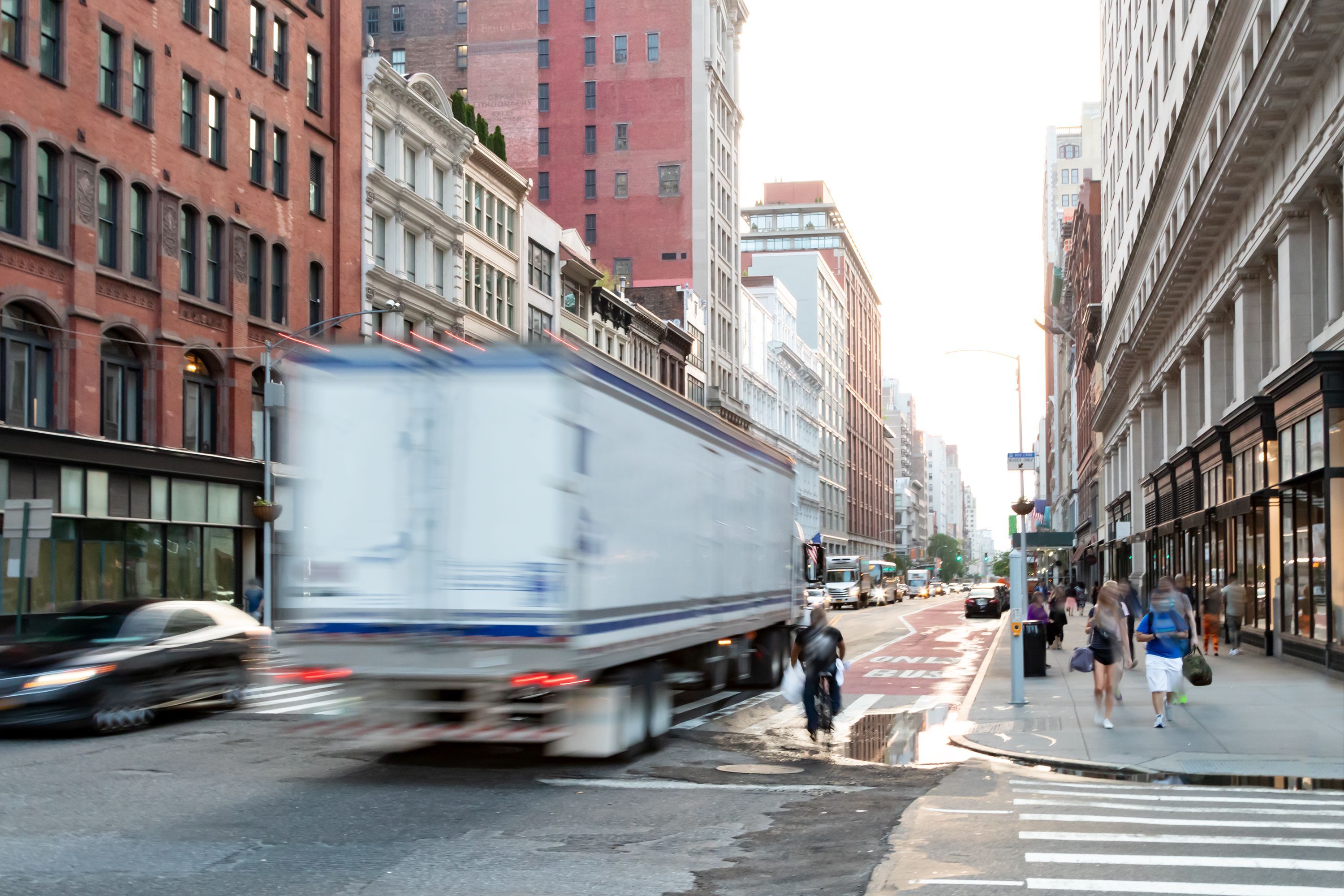
New York City, a bustling hub of commerce and industry, relies heavily on freight transportation to maintain its economic vitality. However, this constant movement of goods comes with a significant environmental cost. Freight transportation is a major contributor to greenhouse gas emissions, air pollution, and traffic congestion in urban areas. As businesses become more environmentally conscious, there’s a growing demand for sustainable freight solutions that can help reduce the carbon footprint of logistics operations in NYC.
Implementing sustainable freight solutions is not only beneficial for the environment but also offers economic advantages. Businesses that adopt greener logistics strategies can enjoy reduced operational costs, enhanced brand reputation, and compliance with environmental regulations. As the world moves towards a more sustainable future, integrating eco-friendly practices into freight operations is becoming essential for companies operating in urban areas like New York City.
Sustainable Practices in Freight Transportation
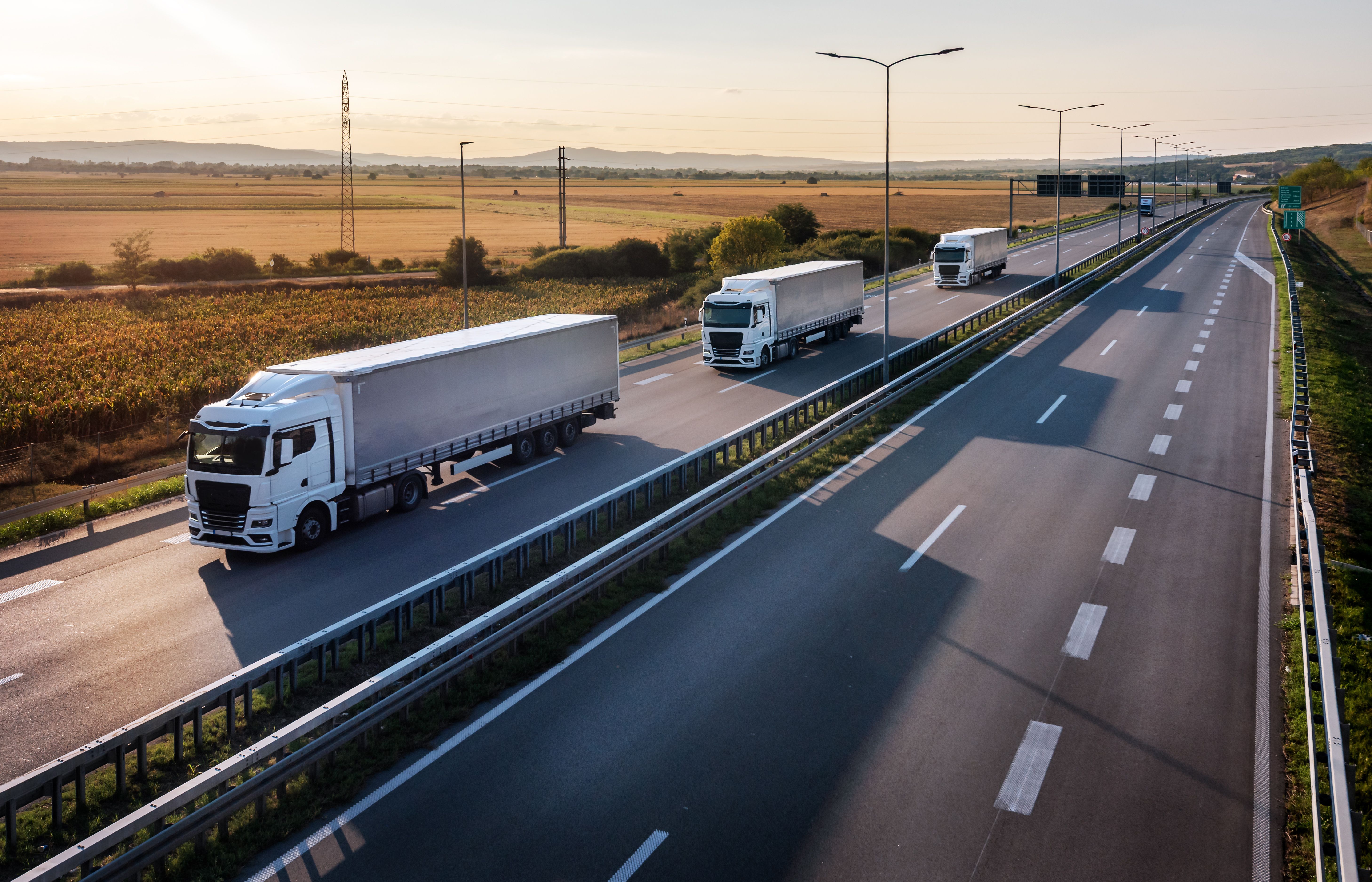
There are several strategies that businesses can employ to make their freight operations more sustainable. One effective approach is optimizing delivery routes to minimize fuel consumption and emissions. By using advanced route planning software, companies can identify the most efficient paths, reducing travel time and fuel usage.
Another key strategy is investing in eco-friendly vehicles. Electric trucks and hybrid vehicles are gaining popularity as they produce fewer emissions compared to traditional diesel-powered trucks. By transitioning to a green fleet, businesses can significantly cut down their carbon emissions and contribute to cleaner air in the city.
Leveraging Technology for Greener Logistics
Technology plays a crucial role in facilitating sustainable freight solutions. The use of telematics systems enables real-time monitoring of vehicle performance, helping businesses track fuel efficiency and identify areas for improvement. Additionally, implementing Internet of Things (IoT) devices in the supply chain enhances transparency and allows for better resource management.
Moreover, the adoption of digital freight matching platforms can help reduce empty miles by efficiently connecting shippers with available carriers. This not only optimizes load capacity but also decreases unnecessary trips, cutting down emissions and operational costs.

Collaborating for a Sustainable Future
Collaboration is key to achieving sustainability in freight transportation. Businesses, government agencies, and community organizations need to work together to develop policies and initiatives that promote eco-friendly practices. Public-private partnerships can play a significant role in creating infrastructure that supports sustainable logistics, such as dedicated lanes for green vehicles and improved urban planning.
Community engagement is also vital in driving change. Educating the public about the importance of sustainable freight solutions can foster a culture of environmental responsibility. By raising awareness and encouraging participation, stakeholders can collectively contribute to a cleaner and greener New York City.

Benefits of Sustainable Freight Solutions
Adopting sustainable freight practices offers numerous benefits for businesses and the broader community. By reducing carbon emissions, companies help combat climate change and improve air quality, leading to healthier urban environments. Additionally, eco-friendly logistics can enhance a brand's image, attracting environmentally conscious consumers and partners.
Furthermore, sustainable freight solutions often result in cost savings. Improved fuel efficiency, optimized routes, and reduced maintenance costs all contribute to a more economical operation. In the long run, these savings can be substantial, providing businesses with a competitive edge in the market.
Conclusion
As New York City continues to grow, the need for sustainable freight solutions becomes increasingly important. By adopting eco-friendly practices and leveraging technology, businesses can reduce their carbon footprint and play a vital role in creating a sustainable future. Collaboration among stakeholders will be crucial in achieving these goals, ensuring that NYC remains a vibrant and thriving city for generations to come.