
Seasonal Shipping Tips: Navigating Winter Challenges in New York Freight
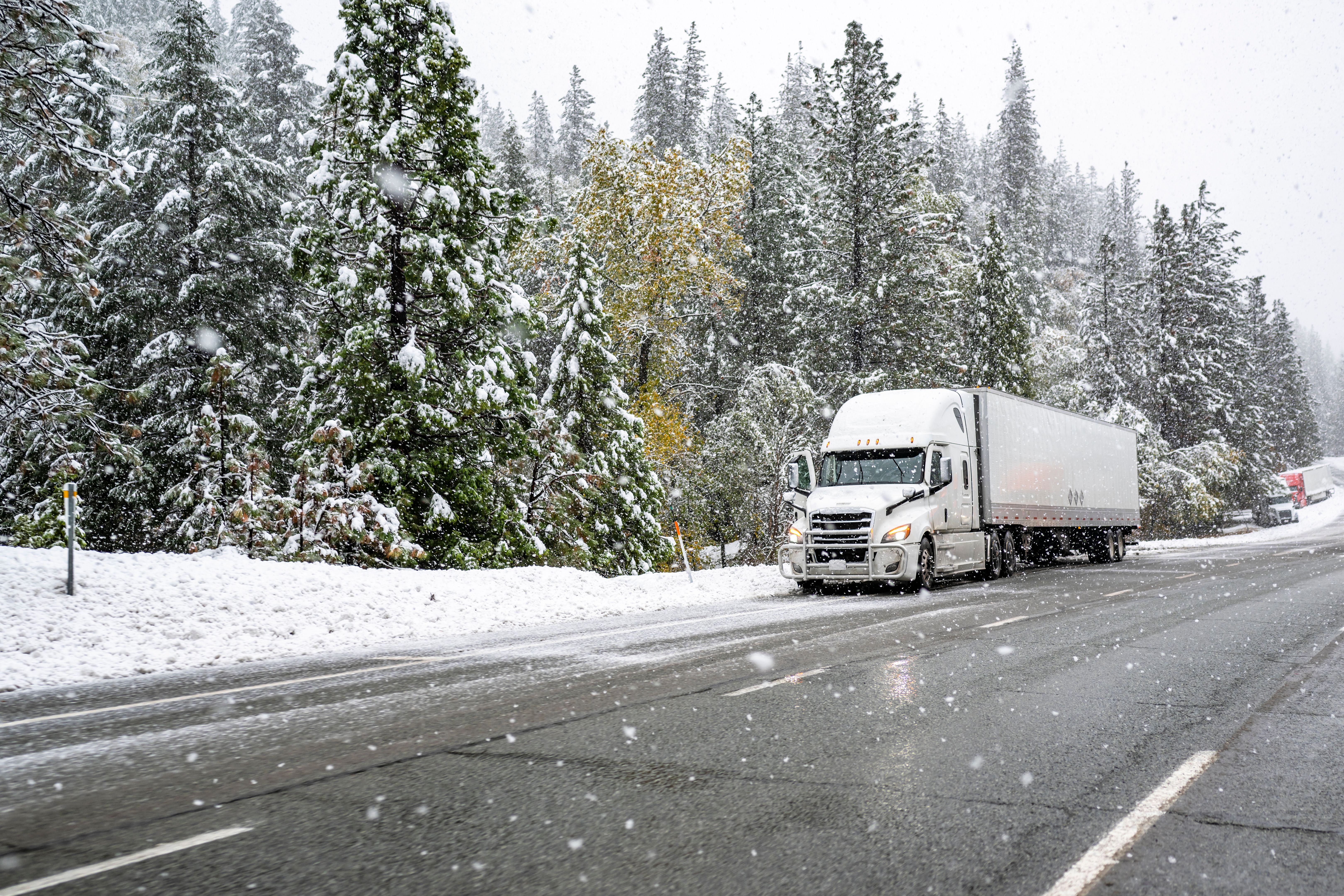
Winter in New York brings unique challenges to freight shipping. As temperatures drop and snow begins to fall, businesses must adapt to ensure that their goods are delivered on time and in good condition. From icy roads to fluctuating temperatures, these seasonal hurdles require careful planning and execution.
Understanding Weather Impacts
Weather is one of the most significant factors affecting freight shipping during the winter months. Snowstorms and icy conditions can lead to road closures and delays. It is crucial for businesses to stay informed about weather forecasts and prepare accordingly.
Investing in weather tracking tools and working closely with carriers can provide the necessary insights to make informed decisions. This proactive approach helps to minimize disruptions and ensure timely deliveries.
Choosing the Right Equipment
The right equipment can make a significant difference in winter freight shipping. Consider using trailers equipped with heating systems to protect temperature-sensitive goods. Additionally, ensure that vehicles are well-maintained and equipped with winter tires to handle icy roads.

Regular inspections and maintenance checks are essential. This includes checking tire pressure, brakes, and engine performance to prevent unexpected breakdowns during transit.
Optimizing Shipping Routes
Route optimization is vital during winter. Plan routes that avoid areas prone to heavy snowfall or known road closures. Leveraging technology to monitor real-time traffic conditions can help identify alternative routes and minimize delays.
Communicate with drivers and provide them with flexibility to adapt routes as needed. This ensures that they can respond to changing weather conditions efficiently.

Prioritizing Safety
Safety should always be the top priority in winter freight operations. Ensure that drivers are trained to handle winter conditions and are aware of the best practices for safe driving in snow and ice. Establish clear communication channels to keep them informed of any changes or emergencies.
Providing drivers with emergency kits, including blankets, food, and water, can prepare them for unexpected situations and delays.
Collaborating with Reliable Partners
Working with reliable carriers and logistics partners is crucial during the winter months. Choose partners with experience in handling winter freight challenges and who prioritize communication and transparency.
Establishing strong relationships with these partners can lead to more efficient problem-solving and a smoother shipping process overall.

Conclusion
Successfully navigating the winter freight landscape in New York requires a combination of preparation, technology, and collaboration. By understanding the challenges and implementing strategic measures, businesses can ensure that their shipments arrive safely and on time, regardless of the weather.