
Seasonal Freight Challenges: Preparing for Winter Transport in the Northeast
As winter approaches, the freight industry in the Northeast faces a unique set of challenges. Preparing for these seasonal changes is crucial to ensure smooth operations and maintain customer satisfaction. Understanding the specific hurdles and implementing effective strategies can make all the difference for transport companies during this demanding time.
Understanding the Impact of Weather
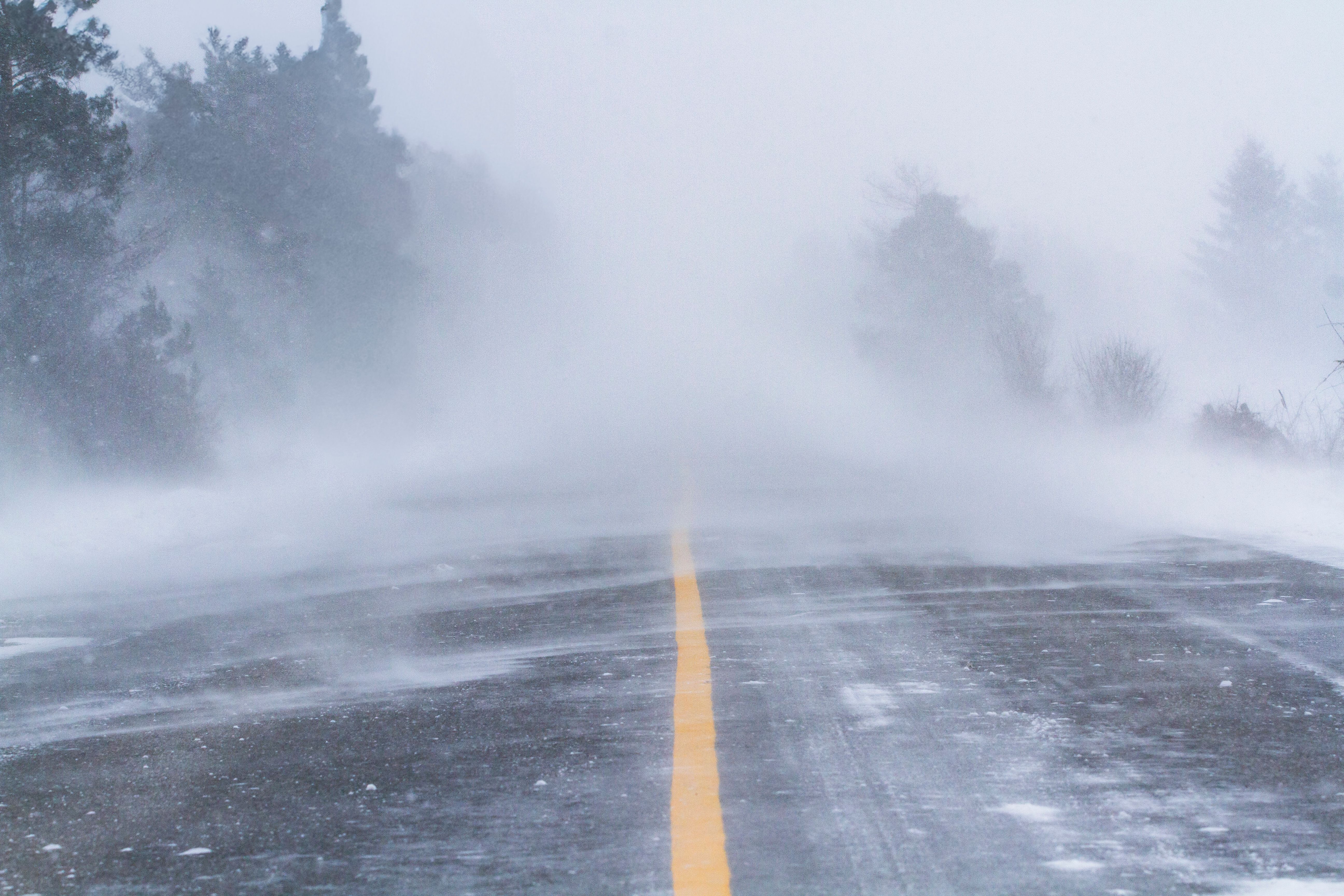
Winter weather in the Northeast can be unpredictable and harsh, significantly affecting freight transport. Snowstorms, icy roads, and freezing temperatures can lead to delays and safety concerns. It's important for companies to monitor weather forecasts closely and adjust their logistics plans accordingly.
Investing in weather-resistant equipment, such as snow chains and anti-freeze solutions, can help mitigate some of these challenges. Additionally, training drivers to handle adverse conditions safely can be a valuable asset.
Maintaining Equipment
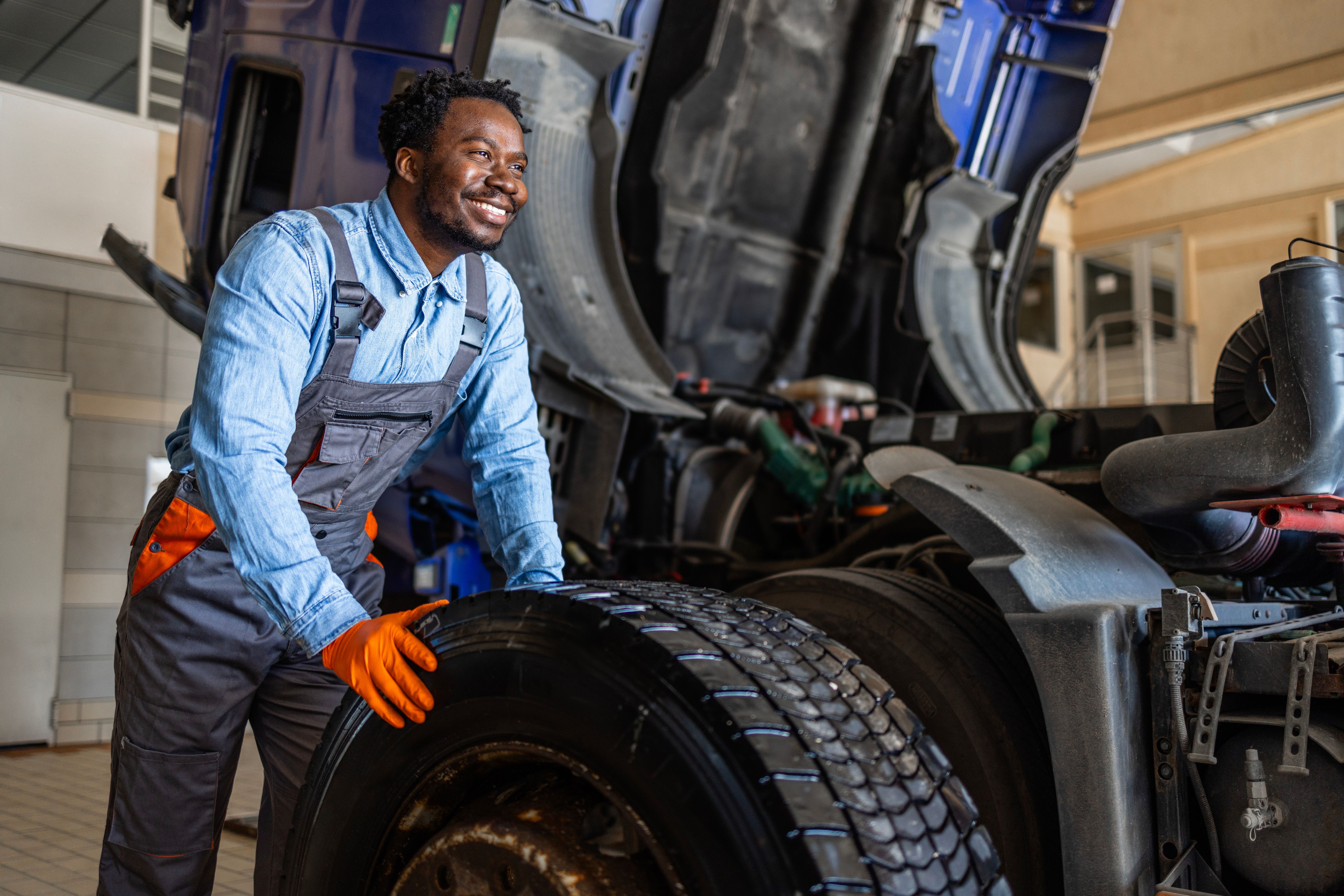
Winter can take a toll on transport equipment, so regular maintenance is essential. Ensuring that vehicles are in top condition before the cold sets in can prevent breakdowns and costly repairs. Key areas to focus on include engine performance, tire conditions, and battery life.
Implementing a proactive maintenance schedule can help identify potential issues before they become major problems. This not only enhances reliability but also boosts driver confidence when navigating challenging conditions.
Checklist for Winterizing Fleet
- Inspect and replace tires if necessary
- Check and replenish anti-freeze levels
- Test battery health
- Ensure heating systems are functioning properly
Optimizing Route Planning
Route planning is a critical component of winter transport strategy. Using technology and data analytics can provide insights into the best routes to avoid severe weather and traffic delays. Real-time GPS tracking and traffic updates allow for dynamic adjustments to delivery schedules.
Collaborating with local authorities to stay informed about road conditions and closures can further enhance route efficiency. By optimizing routes, companies can reduce delivery times and improve customer satisfaction.
Ensuring Driver Safety
Driver safety should be a top priority during the winter months. Providing comprehensive training on winter driving techniques and emergency procedures can empower drivers to handle unexpected situations with confidence.
Equipping vehicles with emergency kits, including items like blankets, flashlights, and first-aid supplies, adds an extra layer of security for drivers. Regular communication with dispatch teams ensures that drivers receive timely updates and support.

Communication with Customers
Transparent communication with customers is essential during winter transport. Informing clients about potential delays and providing updates on shipment statuses can help manage expectations and maintain trust.
Utilizing digital platforms for real-time communication allows companies to keep customers informed and engaged. This proactive approach can differentiate a company in a competitive market, fostering long-term relationships with clients.
By understanding and addressing these seasonal freight challenges, transport companies in the Northeast can navigate the winter months more effectively. With the right strategies in place, businesses can ensure smooth operations and continue to deliver exceptional service to their customers.