
Preparing Your Business for Seasonal Freight Demands
Understanding Seasonal Freight Demands
Every business that relies on shipping goods must prepare for the ebbs and flows of seasonal freight demands. Whether it's the holiday rush or the back-to-school season, understanding these patterns is crucial for maintaining efficiency and customer satisfaction. Identifying these peaks and planning ahead can prevent logistical nightmares and help capitalize on increased demand.
Analyzing Past Data
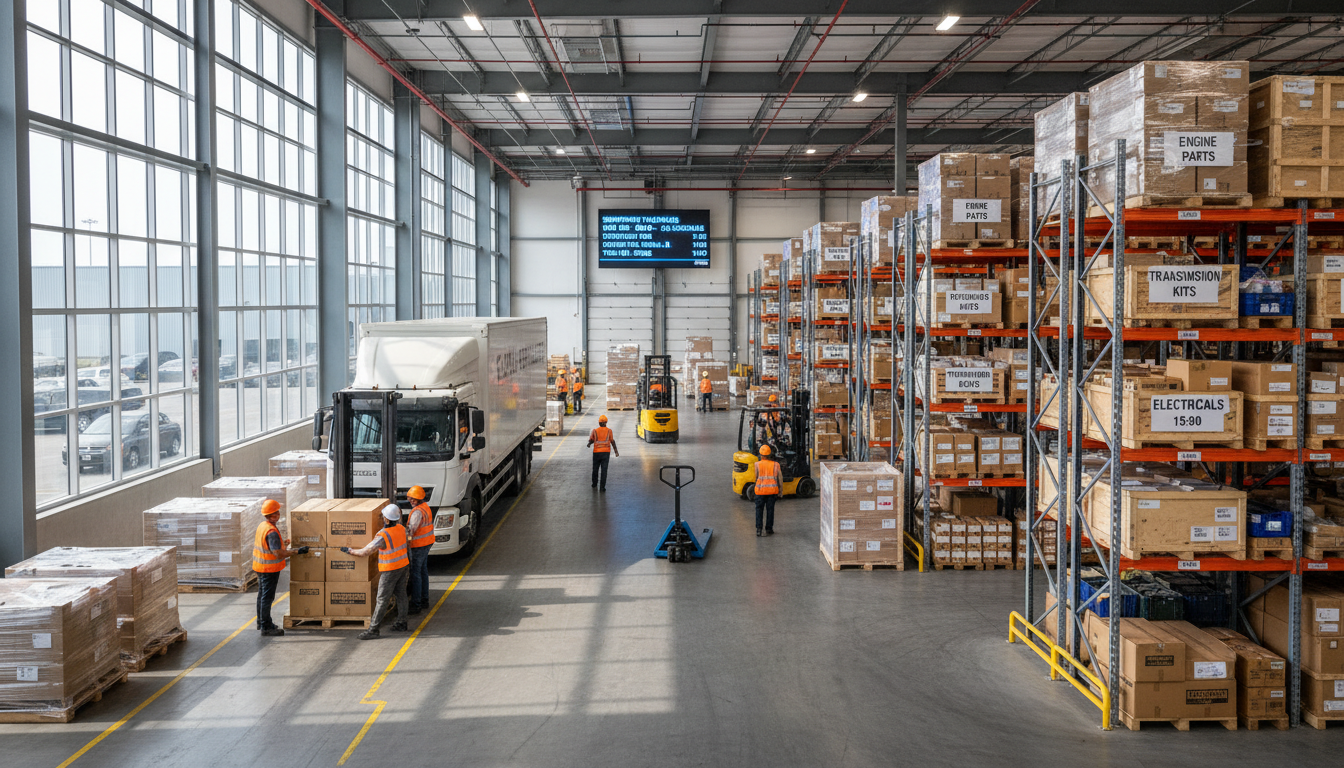
One of the first steps in preparing for seasonal freight demands is analyzing past data. Look at historical shipping records to identify trends and patterns. This data can provide insights into when demand typically spikes and which products are most affected. Use this information to anticipate future needs and allocate resources accordingly.
Implementing Forecasting Tools
Advanced forecasting tools can further refine your understanding of seasonal demands. These tools use algorithms to predict future trends based on past data and current market conditions. By integrating these tools into your planning process, your business can gain a competitive edge.

Optimizing Inventory Management
Inventory management is a critical component of handling seasonal freight demands. Ensure that your inventory levels are optimized to meet expected demand without overstocking. This balance helps reduce storage costs and minimizes the risk of unsold inventory.
Leveraging Technology
Utilize technology to streamline inventory management. Automated systems can track stock levels in real time, providing alerts when it's time to reorder. This proactive approach ensures that you are always prepared for peak demand periods.

Strengthening Supplier Relationships
Strong relationships with suppliers are essential during peak shipping seasons. Communicate your forecasts and expectations early to ensure they can meet your needs. A reliable supplier network can make a significant difference in handling increased demand smoothly.
Negotiating Flexible Contracts
Consider negotiating flexible contracts with suppliers to accommodate fluctuations in demand. This flexibility can provide the wiggle room needed to adjust orders quickly without incurring penalties or delays.

Enhancing Logistics and Transportation
Efficient logistics and transportation are key to managing seasonal freight demands. Evaluate your current logistics strategy and identify areas for improvement. Consider diversifying your transportation options to include multiple carriers, which can provide more flexibility and reduce the risk of delays.
Training Staff for Peak Seasons
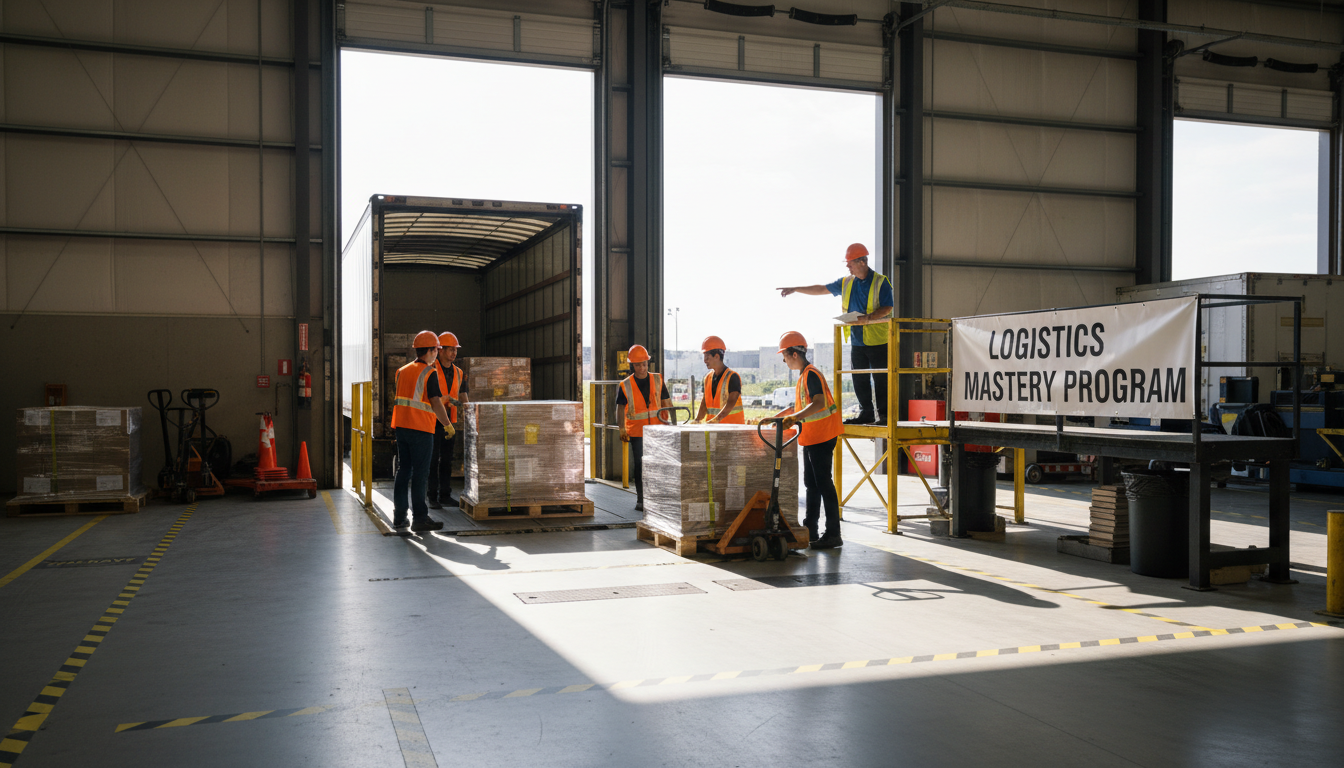
Ensure that your staff is well-trained to handle the increased workload during peak seasons. Regular training sessions can help them stay updated on best practices and new technologies, ensuring a smooth operation.
Conclusion
Preparing your business for seasonal freight demands requires careful planning and execution. By understanding historical data, optimizing inventory, strengthening supplier relationships, and enhancing logistics, you can ensure your business is ready to meet the challenges and opportunities of peak shipping seasons. Taking these steps not only improves efficiency but also boosts customer satisfaction and profitability.