Navigating NYC's Port and Rail Operations: A Comprehensive Guide
Understanding the Basics of NYC's Port and Rail Operations
New York City is not just a bustling metropolis; it's also a crucial hub for port and rail operations. The city's unique geographical position makes it a vital gateway for international trade. Understanding how these operations work can be beneficial for businesses and individuals alike. The integration of port and rail services streamlines the logistics process, enhancing efficiency and reducing transportation costs.
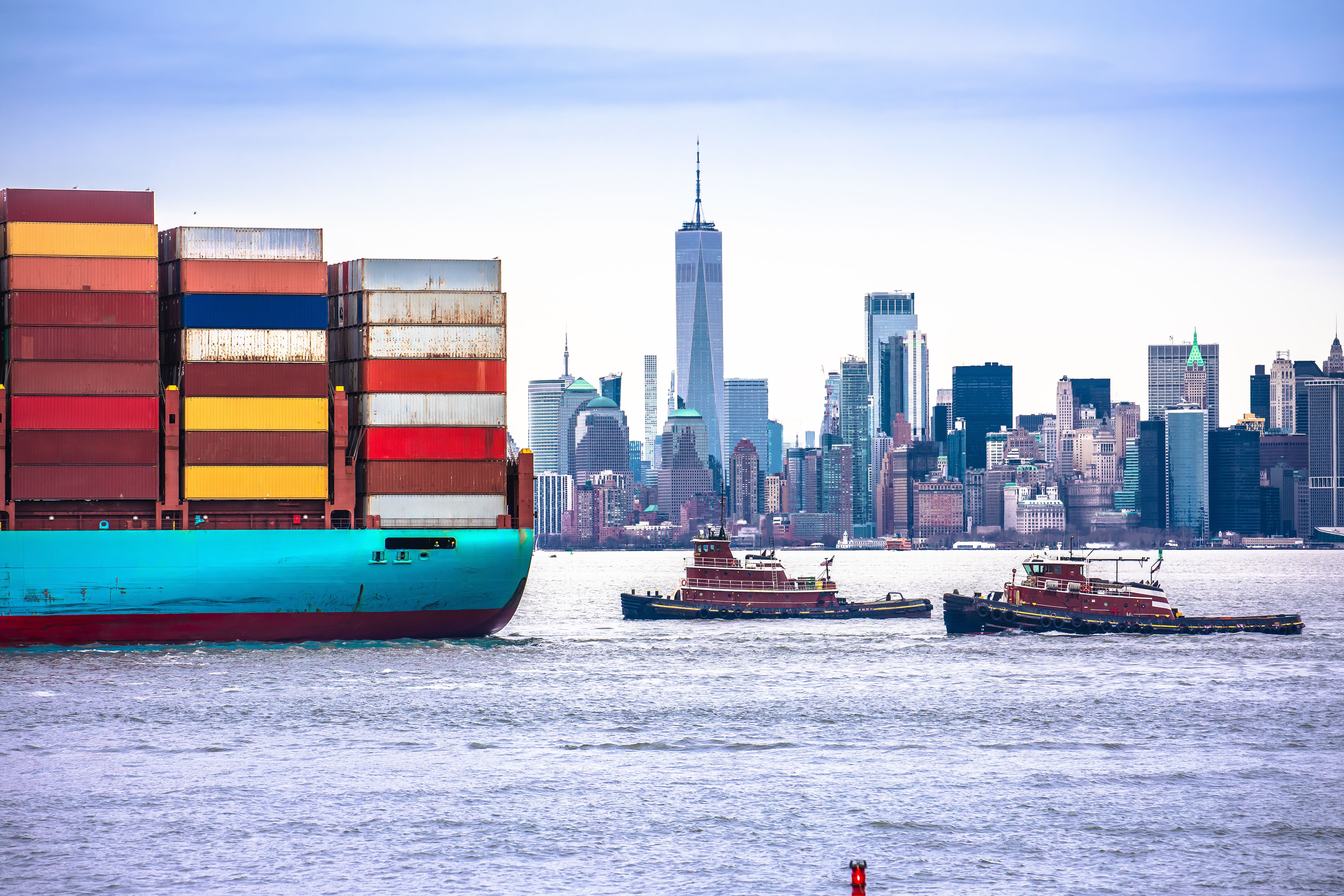
The Port of New York and New Jersey is one of the busiest ports on the East Coast, handling millions of containers each year. With state-of-the-art facilities, it plays a critical role in the import and export of goods. Meanwhile, rail operations complement these activities by providing an efficient means of transporting goods to and from the port.
The Importance of Intermodal Transport
Intermodal transport refers to the use of more than one mode of transportation, such as ships and trains, in a single journey. This approach is particularly relevant in NYC, where goods need to be moved swiftly from ships to trains and vice versa. Intermodal transport reduces handling costs and minimizes delays, making it an attractive option for businesses.
Efficiency is key in intermodal transport. By leveraging the strengths of both port and rail systems, companies can achieve faster delivery times and reduce their carbon footprint. This synergy is crucial for meeting the demands of modern supply chains.
Key Players in NYC's Port and Rail System
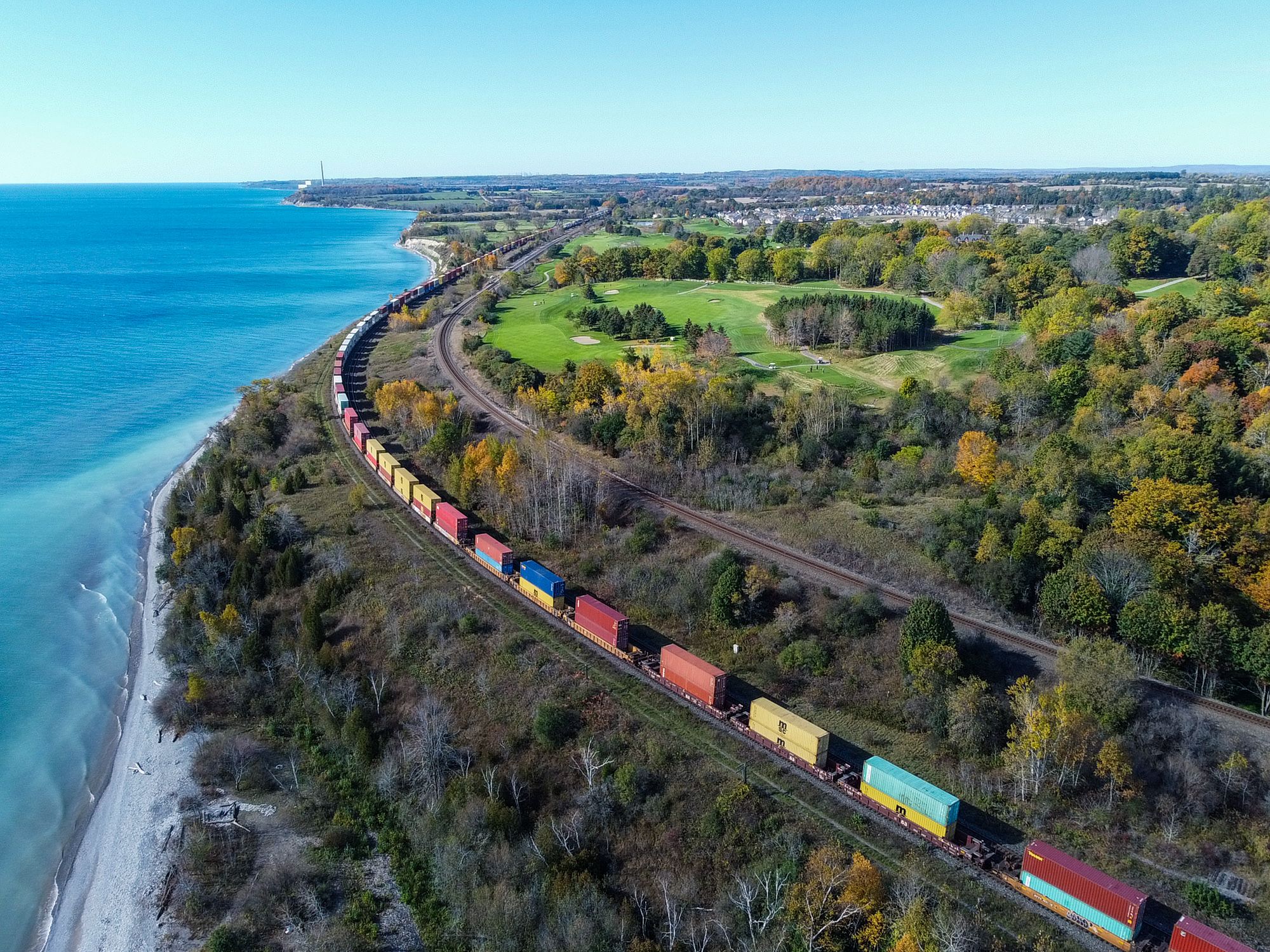
Several key players contribute to the smooth functioning of NYC's port and rail operations. The Port Authority of New York and New Jersey oversees the port facilities, ensuring that they remain competitive and efficient. Meanwhile, major rail companies like CSX and Norfolk Southern provide essential rail services that connect the port to the rest of the country.
These organizations work together to facilitate the seamless movement of goods. Their collaborative efforts are vital in maintaining NYC's status as a leading logistics hub. Businesses looking to engage with these services can benefit from understanding the roles these entities play in the broader transportation ecosystem.

Challenges and Solutions in Port and Rail Operations
Despite the advantages, NYC's port and rail operations face several challenges. Congestion, infrastructure limitations, and environmental concerns are some of the issues that stakeholders must address. However, ongoing investments and technological advancements are paving the way for solutions.
Innovative technologies, such as automated container handling and real-time tracking systems, are being implemented to enhance efficiency and reduce bottlenecks. Additionally, infrastructure improvements, including the expansion of rail lines and port facilities, are underway to accommodate the growing volume of trade.
Future Trends in NYC's Port and Rail Operations
Looking ahead, sustainability will be a significant focus for NYC's port and rail operations. Efforts to reduce emissions and promote eco-friendly practices are gaining momentum. The integration of renewable energy sources and the adoption of electric-powered vehicles are some of the initiatives being explored.
Furthermore, digitalization is set to revolutionize the logistics industry. From blockchain technology to artificial intelligence, these advancements promise to increase transparency and streamline operations. Companies that adapt to these trends will likely gain a competitive edge in the market.
Conclusion: Embracing the Opportunities
Navigating NYC's port and rail operations may seem complex, but understanding the key elements can unlock numerous opportunities for businesses. By leveraging intermodal transport, engaging with key players, and staying informed about emerging trends, businesses can optimize their logistics strategies and contribute to a more efficient and sustainable transportation system.
As the industry continues to evolve, those who embrace change and innovation will be well-positioned to thrive in this dynamic landscape. NYC remains a pivotal player in global trade, and its port and rail operations are central to this success.