Navigating NYC Ports: Expert Tips for Seamless Drayage Operations
Drayage operations in New York City can be a complex process, requiring careful planning and execution. Whether you're a seasoned professional or new to the industry, understanding the nuances of NYC ports is crucial for smooth operations. Here, we provide expert tips to help you navigate these bustling hubs with ease.
Understanding NYC Port Infrastructure
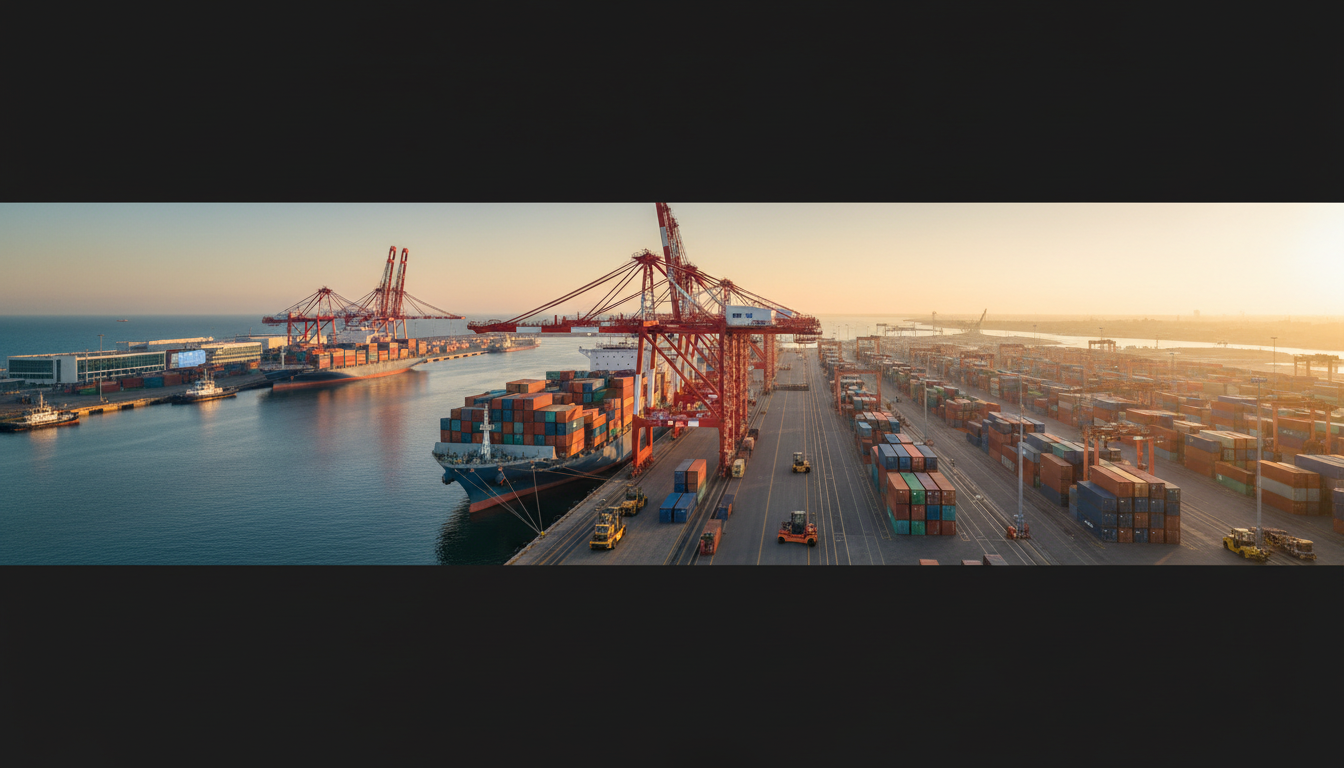
The New York and New Jersey Port Authority manages one of the largest port complexes in the United States. Familiarizing yourself with the layout and facilities of major ports such as Port Newark and Elizabeth Marine Terminal is essential. Each port has its own unique set of rules and regulations, so staying informed is key.
Regularly checking port authority updates can save time and prevent unexpected delays. Being aware of the specific entry and exit points, as well as any ongoing construction, will help in planning the most efficient routes.
Optimizing Route Planning
In a city as busy as New York, traffic congestion is a given. Optimizing your route planning will help minimize delays. Utilize GPS technology and traffic apps to find the best routes in real-time. Consider alternative paths during peak hours to avoid bottlenecks.
Collaboration with local drivers who have firsthand experience navigating NYC streets can provide valuable insights. Their knowledge of shortcuts and less congested areas can be a significant advantage.

Ensuring Compliance and Safety
Compliance with regulations is non-negotiable in drayage operations. Ensure that all documentation, including permits and driver credentials, is up-to-date. Regular training sessions for drivers on safety protocols and regulatory compliance are crucial.
Safety should always be a priority. Conduct regular maintenance checks on vehicles to prevent breakdowns and accidents. Implementing safety measures not only protects your team but also enhances the efficiency of operations.

Leveraging Technology for Efficiency
Technology plays a pivotal role in modern drayage operations. Utilize logistics software to track shipments and manage schedules. Real-time data allows for quick decision-making and improves overall efficiency.
Investing in RFID technology can streamline cargo handling and inventory management. This technology reduces human error and ensures that goods are quickly and accurately accounted for.
Building Strong Partnerships
Successful drayage operations often hinge on strong partnerships. Collaborate with reliable freight forwarders, warehouse operators, and port personnel. Building a network of trusted partners ensures that any challenges can be swiftly addressed.
Regular communication with partners helps in anticipating issues and finding collaborative solutions. Establishing trust and maintaining open lines of communication can significantly enhance operational success.

By following these expert tips, drayage operations in NYC ports can become more seamless and efficient. Stay informed, plan strategically, and leverage technology to navigate the complexities of New York's bustling port ecosystem.