Navigating New York's Ports: A Comprehensive Guide to Local Drayage
Understanding New York's Port System
New York's port system is one of the busiest in the world, playing a crucial role in global trade. With several terminals and facilities, navigating these ports requires a comprehensive understanding of logistics and drayage services. If you're looking to efficiently move goods through New York's ports, this guide will provide valuable insights.
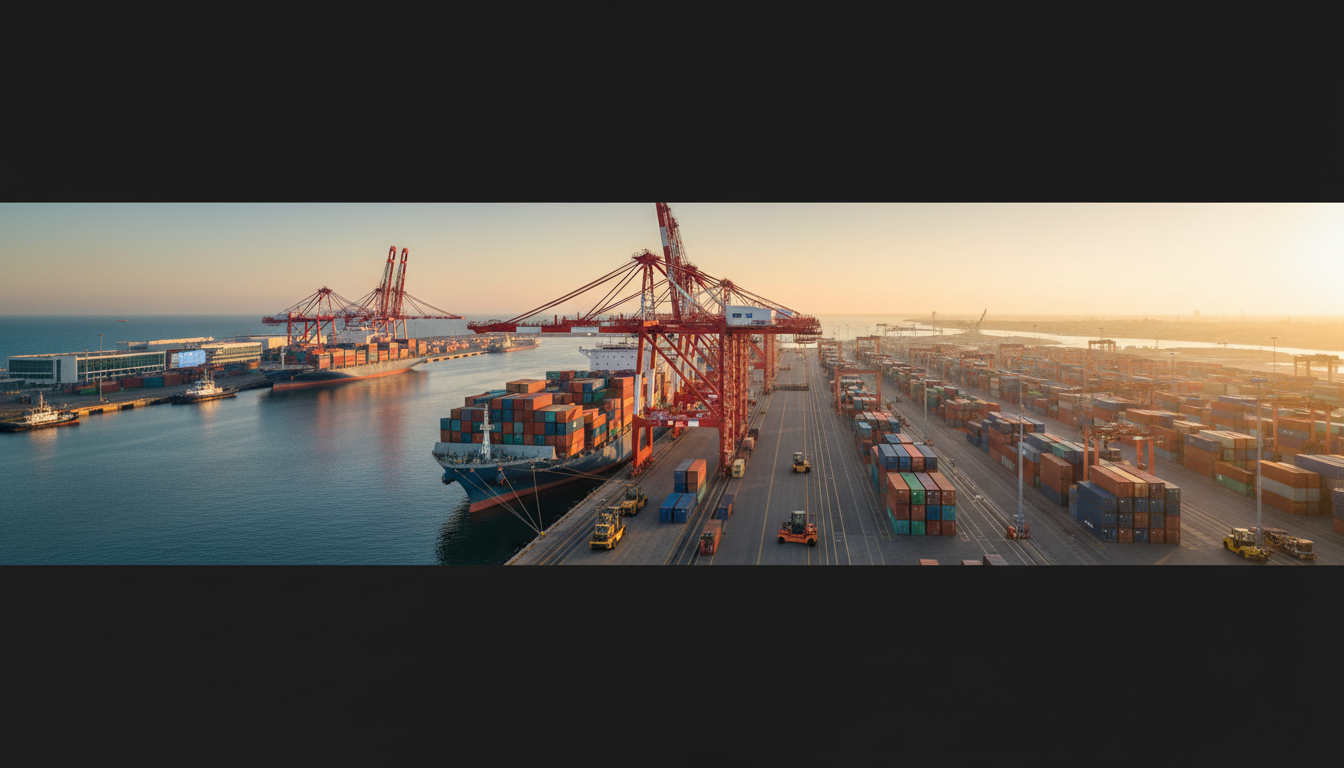
The Port of New York and New Jersey is the third-largest port in the United States. It comprises several major terminals, including the Elizabeth-Port Authority Marine Terminal, Port Newark, and the Howland Hook Marine Terminal. Understanding the layout and operations of these facilities is essential for efficient logistics planning.
The Role of Drayage in Port Logistics
Drayage is a critical component of the supply chain, involving the transport of goods over short distances, typically from a port to nearby warehouses. In New York, drayage services are essential for managing the heavy flow of goods entering and leaving the port.
These services ensure that cargo is swiftly moved to its next destination, whether it's a local distribution center or a long-haul transportation hub. Partnering with reputable drayage providers can significantly improve the efficiency of your supply chain.

Choosing the Right Drayage Provider
When selecting a drayage provider, consider factors such as reliability, cost, and technology. Look for companies with a proven track record and the ability to handle various types of cargo. The use of advanced tracking systems can also enhance transparency and coordination.
- Check the provider's reputation and client reviews.
- Evaluate their fleet and technology capabilities.
- Assess their ability to handle peak volumes and special cargo.
Regulations and Compliance
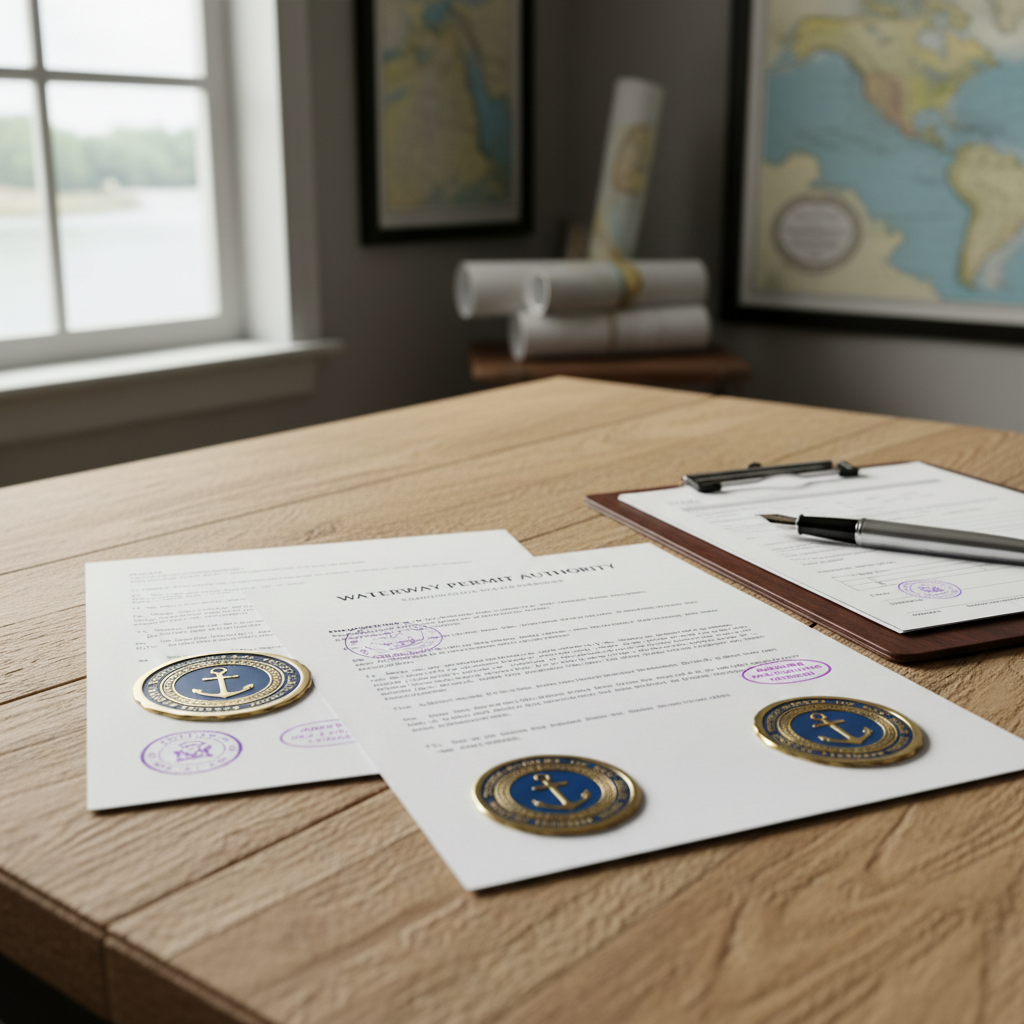
Operating within New York's ports requires adherence to strict regulations. Compliance with environmental standards, safety protocols, and customs requirements is mandatory. Failing to comply can result in significant fines and delays.
Ensure that your logistics partners are well-versed in these regulations and have measures in place to maintain compliance. Regular training and updates on regulatory changes are vital for smooth operations.
Strategies for Efficient Port Navigation
Effective port navigation involves strategic planning and coordination. Here are some strategies to enhance your operations:
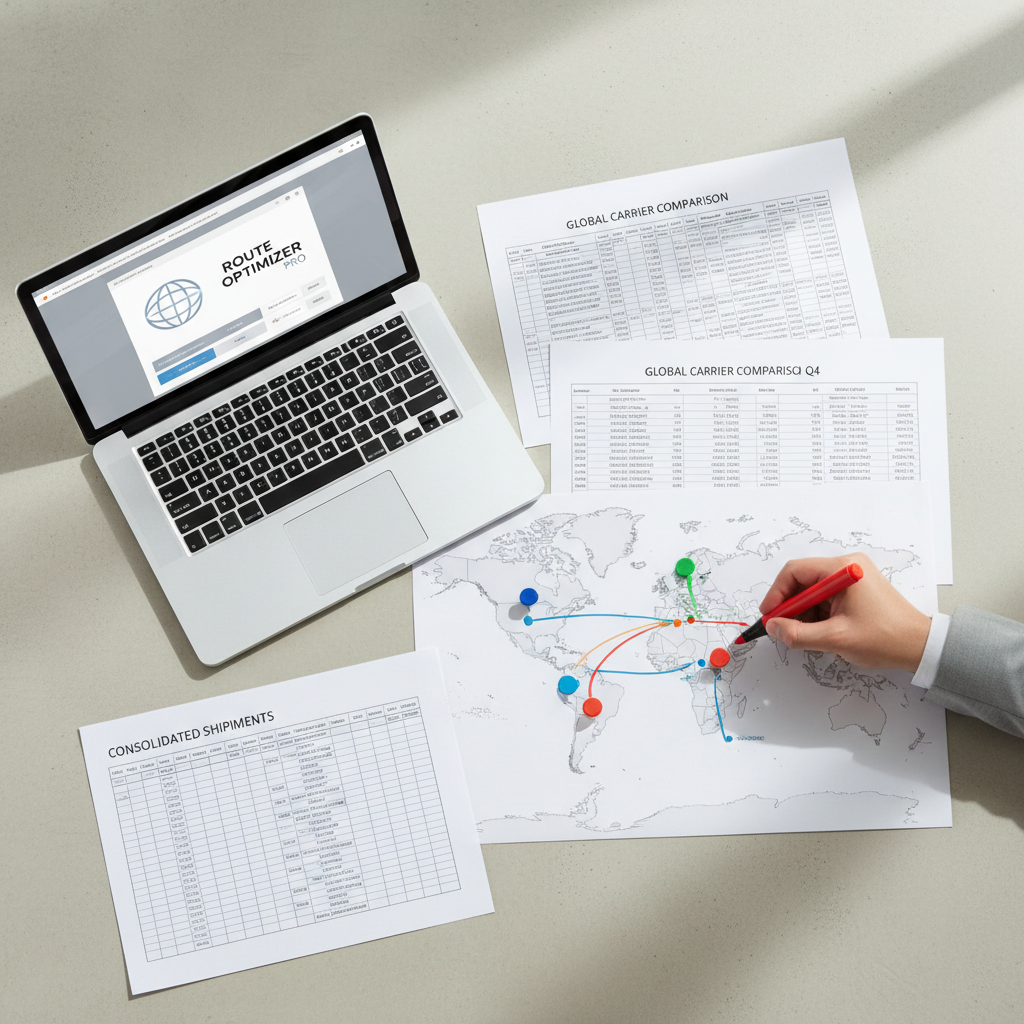
- Utilize technology for real-time tracking and communication.
- Plan shipments during off-peak hours to avoid congestion.
- Maintain clear communication with all stakeholders, including terminal operators and drayage providers.
By implementing these strategies, you can minimize delays and optimize the flow of goods through New York's ports.
Future Developments and Innovations
As technology continues to advance, New York's port system is evolving. Innovations such as automated terminals and blockchain for supply chain transparency are being explored. Staying informed about these developments can position your business for future success.
Investing in technology and building strong partnerships will be key to navigating the ever-changing landscape of New York's ports. By doing so, businesses can ensure they remain competitive and efficient in a global market.