Navigating Freight Brokerage in the New York/New Jersey Ports
The ports of New York and New Jersey serve as vital gateways for international trade in the United States. Navigating the complexities of freight brokerage in these bustling ports demands a thorough understanding of both local and global logistics. As the industry evolves, businesses must stay informed about the latest trends and best practices to maintain a competitive edge.
Understanding the Port Infrastructure
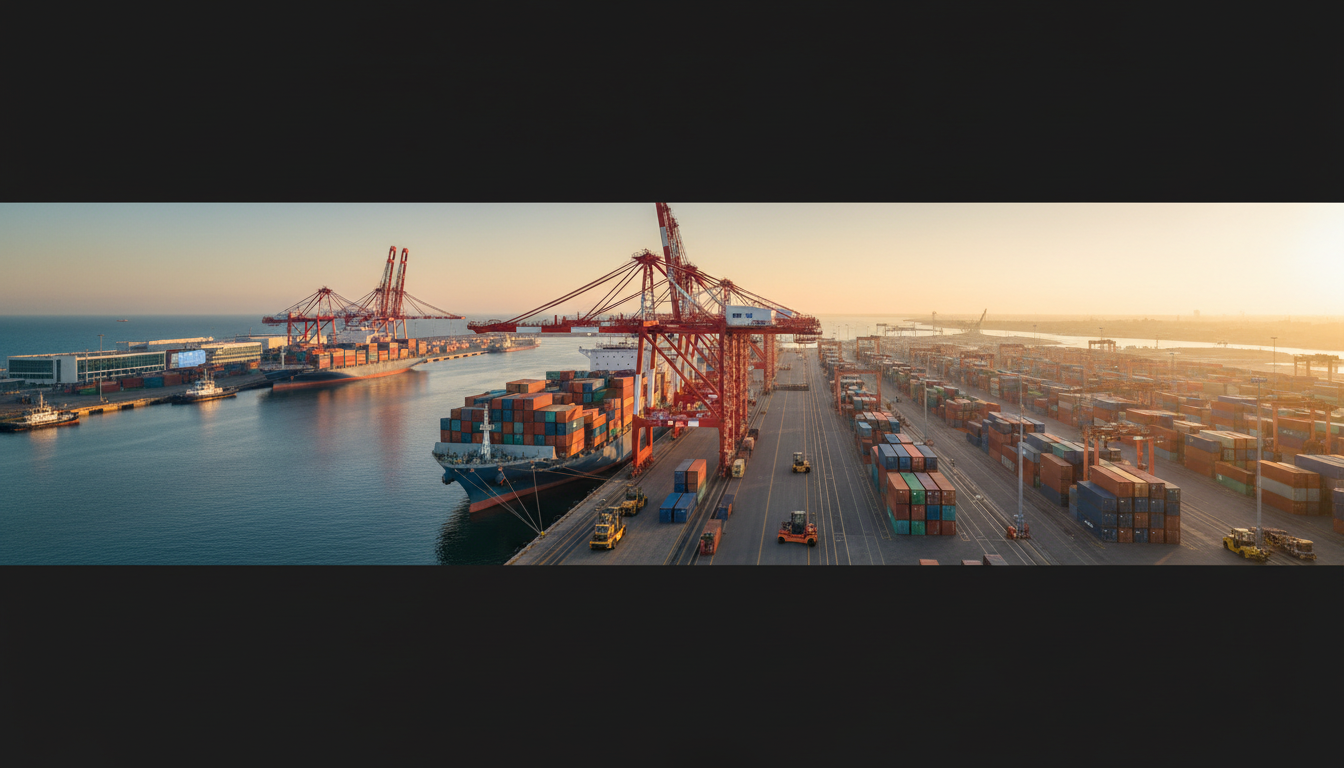
The New York/New Jersey ports boast a comprehensive infrastructure that includes a network of terminals, rail systems, and roadways. These features are integral to supporting the high volume of cargo that moves through the region annually. For freight brokers, familiarity with this infrastructure is crucial for efficient logistics planning.
The ports have undergone significant upgrades to accommodate larger vessels, thanks to projects like the Bayonne Bridge Navigational Clearance Program. Understanding these developments can help brokers optimize their shipping strategies and ensure timely deliveries.
Key Facilities and Terminals
Several key facilities within the ports handle different types of cargo, from containers to bulk shipments. Brokers need to know which terminals are best suited for specific goods to streamline the logistics process. Some prominent terminals include the Global Container Terminal and the Port Newark Container Terminal.

Regulations and Compliance
Operating within the New York/New Jersey ports requires adherence to a myriad of regulations. These include federal, state, and local laws pertaining to customs, environmental standards, and security protocols. Staying compliant is paramount to avoiding costly delays and penalties.
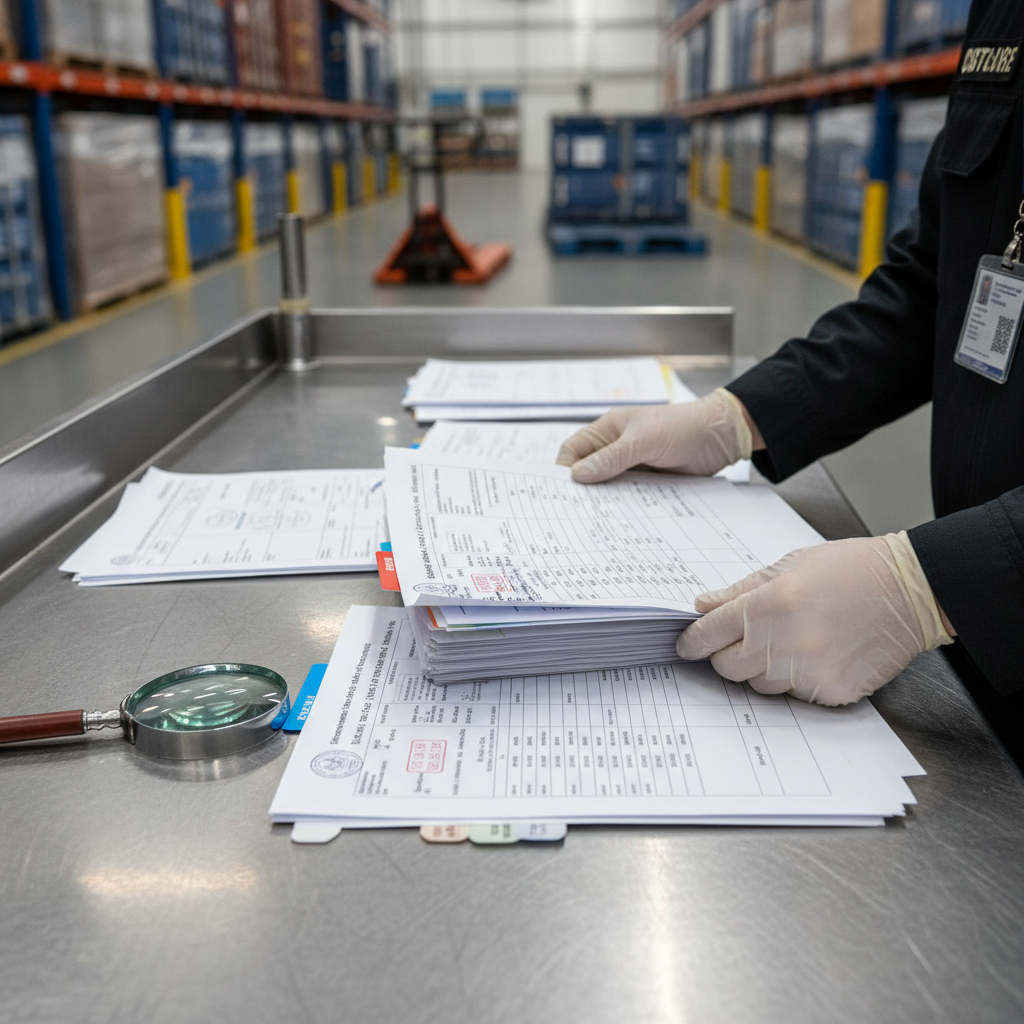
Freight brokers must work closely with customs brokers to ensure all documentation is in order. This collaboration helps in navigating the complex customs clearance process and expedites the movement of goods through the ports.
Staying Updated on Regulatory Changes
Regulations are subject to change, and brokers must remain vigilant. Subscribing to industry newsletters, attending seminars, and participating in workshops can provide valuable insights into the latest regulatory developments.
Leveraging Technology
Technology plays a pivotal role in modern freight brokerage. Digital platforms and tools can help brokers track shipments, manage documentation, and communicate with clients and carriers more effectively. Embracing these technologies can lead to improved efficiency and customer satisfaction.
Using software for real-time tracking and analytics provides brokers with the ability to make data-driven decisions. Investing in the right technology can differentiate a brokerage firm in a competitive market.
Choosing the Right Technology
With numerous options available, selecting the right technological tools can be daunting. Brokers should assess their specific needs and choose solutions that align with their operational goals. Whether it's a comprehensive logistics management system or a specialized tracking tool, the right choice can significantly enhance productivity.
In conclusion, successfully navigating freight brokerage in the New York/New Jersey ports requires a combination of industry knowledge, regulatory compliance, and technological savvy. By staying informed and adapting to changes, brokers can ensure smooth operations and continued success in this dynamic sector.