Navigating Drayage Solutions in New York: Tips for Businesses
In the bustling logistics landscape of New York, drayage solutions play a pivotal role in ensuring the efficient movement of goods. For businesses looking to optimize their supply chain, understanding the nuances of drayage can be a game-changer. This guide offers insights and tips to help businesses navigate the complexities of drayage in this dynamic city.
Understanding Drayage in New York
Drayage refers to the transportation of goods over short distances, often as part of a longer overall move. In New York, this usually involves moving containers between ports, warehouses, and rail terminals. Given the city's dense infrastructure and high traffic volumes, selecting the right drayage provider is crucial.
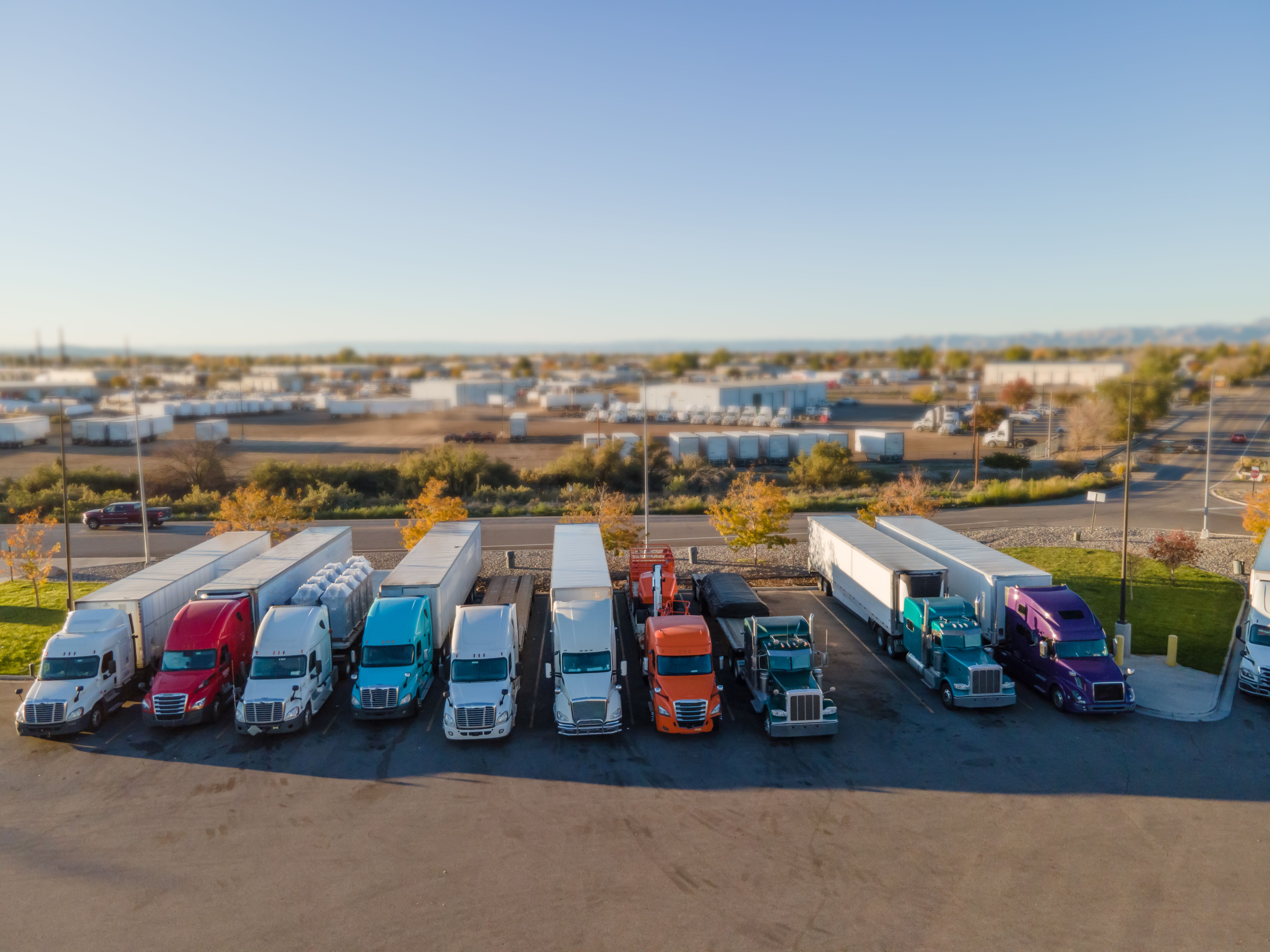
Key considerations include the provider's familiarity with local routes, their ability to handle peak traffic times, and their expertise in managing port regulations. Partnering with a local provider who understands these intricacies can significantly enhance efficiency.
Choosing the Right Drayage Provider
When selecting a drayage provider, businesses should evaluate several factors. First, consider the provider's track record and reputation. Look for companies with proven experience in the New York market, as they are more likely to navigate the city's unique challenges effectively.
- Experience with local regulations
- Availability of specialized equipment
- Customer service and support
Additionally, inquire about their fleet's condition and the technology they use for tracking and communication. A provider with a modern fleet and real-time tracking capabilities can offer more reliable services.

Optimizing Routes and Schedules
Route optimization is essential in drayage operations, especially in a city like New York where congestion is a constant issue. By leveraging technology and data analytics, businesses can work with providers to determine the most efficient routes and schedules.
Utilizing Technology for Efficiency
Modern drayage solutions often incorporate advanced technologies such as GPS tracking and route optimization software. These tools help in planning the best possible routes, considering traffic patterns and other real-time factors.
Additionally, implementing a robust communication system between drivers and dispatchers can minimize delays and enhance operational efficiency. This ensures that goods are delivered on time, maintaining the supply chain's integrity.

Managing Costs and Enhancing Sustainability
Cost management and sustainability are two critical aspects of drayage operations. To manage costs effectively, businesses should negotiate transparent pricing with their drayage providers. This can include understanding all fees involved and exploring options for bulk rate discounts.
Embracing Sustainability
Sustainability is becoming increasingly important in logistics. Many companies are now looking for drayage providers with green initiatives, such as using fuel-efficient vehicles or participating in carbon offset programs. This not only helps the environment but can also enhance a company's brand image.
By prioritizing these factors, businesses can navigate the complex landscape of drayage in New York effectively, ensuring smooth and efficient operations that contribute to overall supply chain success.