How to Navigate NYC Port and Rail Operations Efficiently
Understanding NYC Port and Rail Operations
New York City is a bustling hub of trade and transportation, making its port and rail operations vital components of the logistics landscape. For businesses and individuals navigating these systems, understanding the complexities can lead to more efficient operations and cost savings.
Familiarize Yourself with the Key Facilities
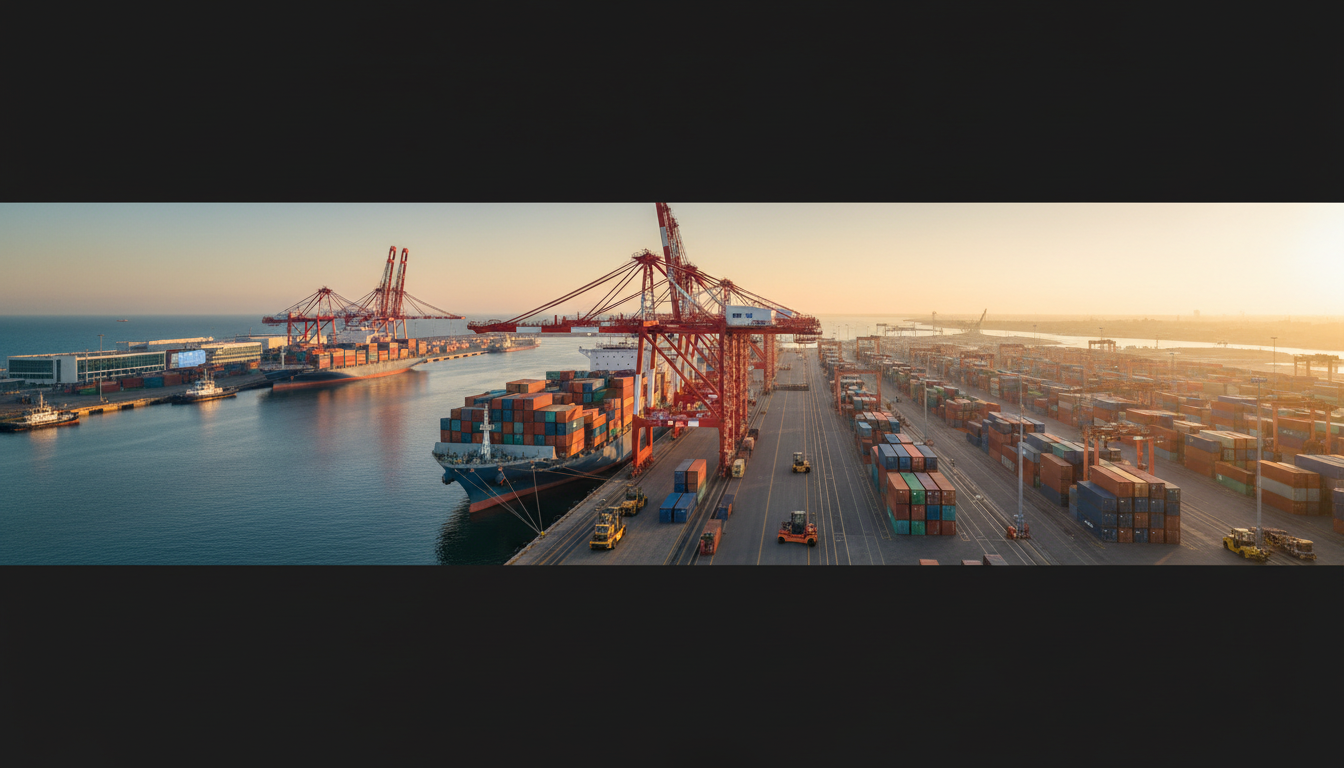
The first step in navigating NYC port and rail operations efficiently is to familiarize yourself with the key facilities. The Port Authority of New York and New Jersey manages several major terminals and rail yards. Understanding the layout and specific functions of each facility can significantly streamline your logistics processes.
Key facilities to be aware of include the Port Newark-Elizabeth Marine Terminal and the Howland Hook Marine Terminal. Knowing these locations and their specific offerings can help in planning your shipping routes more effectively.
Optimize Your Logistics Strategy
Once you are familiar with the facilities, the next step is to optimize your logistics strategy. This involves planning your shipments to align with the schedules of the port and rail operations, as well as anticipating any potential disruptions.
Leverage Technology for Real-Time Updates
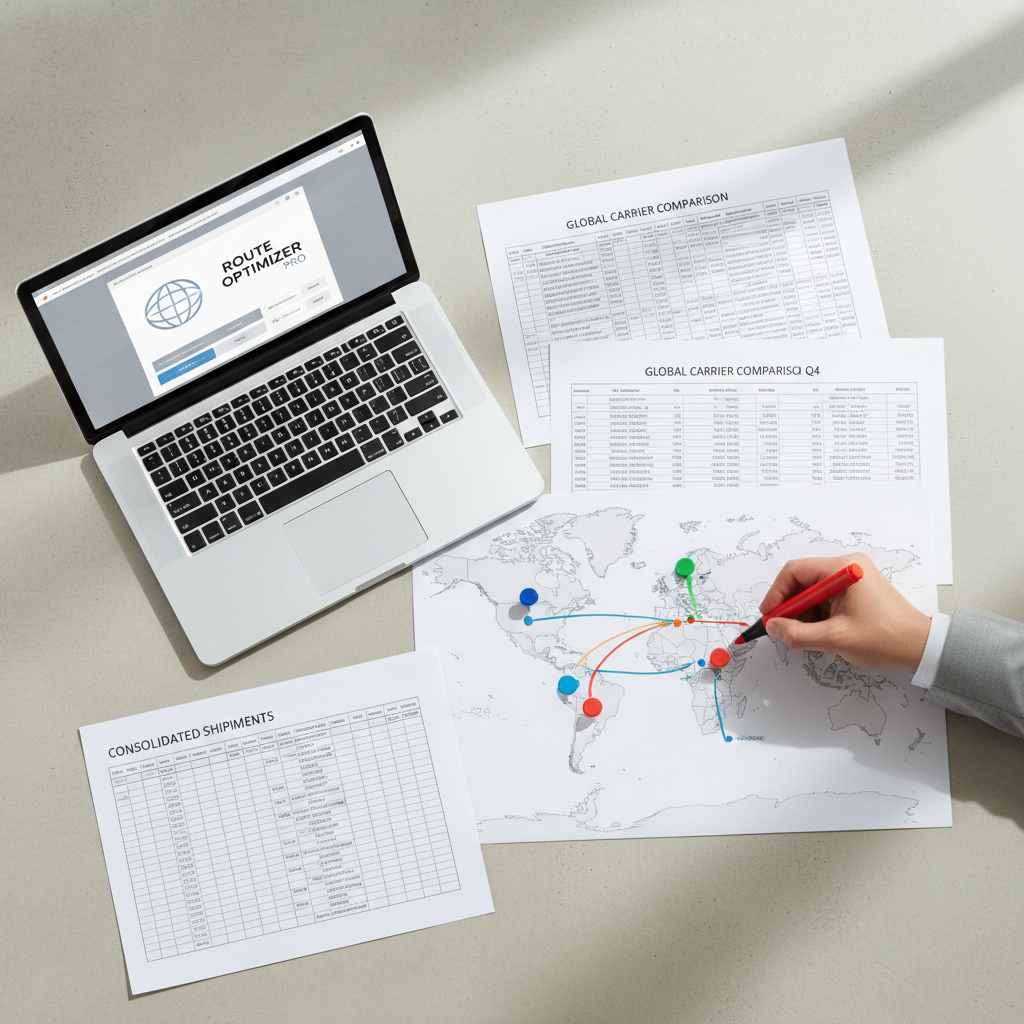
In today’s digital age, leveraging technology to receive real-time updates on port and rail operations is crucial. Many platforms offer tracking services that provide live updates on shipment status, port congestion, and rail schedules. Utilizing these tools can enhance your decision-making process and improve overall efficiency.
Engage with Local Experts
Engaging with local experts who have in-depth knowledge of NYC port and rail operations can provide invaluable insights. These professionals can offer guidance on navigating the complexities of customs regulations, scheduling, and other logistical challenges.

Focus on Compliance and Documentation
Compliance with regulations and proper documentation are essential for smooth operations. Ensure that all your paperwork is in order, and be aware of any changes in regulations that may impact your shipments. Staying compliant not only avoids legal issues but also minimizes delays.
Develop Strong Relationships with Service Providers
Building strong relationships with service providers such as freight forwarders, customs brokers, and transport companies can greatly enhance your operational efficiency. These partners play a crucial role in ensuring your shipments move smoothly through the port and rail systems.
Regular communication and collaboration with these partners can lead to better service and more reliable operations. Consider establishing long-term partnerships to benefit from their expertise and support.
Plan for Contingencies
Finally, always have a contingency plan in place. Despite best efforts, unforeseen events such as weather disruptions or labor strikes can occur. Being prepared with alternative routes or backup service providers can help mitigate these challenges and keep your operations running smoothly.