Debunking Common Myths About Freight Brokerage Services
Understanding Freight Brokerage Services
Freight brokerage services often play a crucial role in the supply chain, yet they are frequently misunderstood. These services act as intermediaries between shippers and carriers, ensuring that goods are transported efficiently and cost-effectively. However, several myths persist about what freight brokers do and how they operate.

Myth 1: Freight Brokers Are Unnecessary Middlemen
A common misconception is that freight brokers are merely middlemen who add no value to the transportation process. In reality, freight brokers provide essential services such as negotiating rates, coordinating logistics, and ensuring compliance with industry regulations. They leverage their expertise and network to offer competitive pricing and efficient solutions, saving businesses time and money.
The Value of Expertise
Freight brokers have in-depth knowledge of the logistics industry and a wide network of carriers. This expertise enables them to find the best transportation solutions tailored to specific needs. By understanding market trends and carrier capabilities, they optimize shipping routes and schedules.
Myth 2: Freight Brokerage Services Are Too Expensive
Another myth is that using a freight broker is prohibitively expensive. While there is a cost associated with their services, the benefits often outweigh the expenses. By negotiating better rates and reducing inefficiencies, freight brokers can actually lead to significant savings.
Cost-Effective Solutions
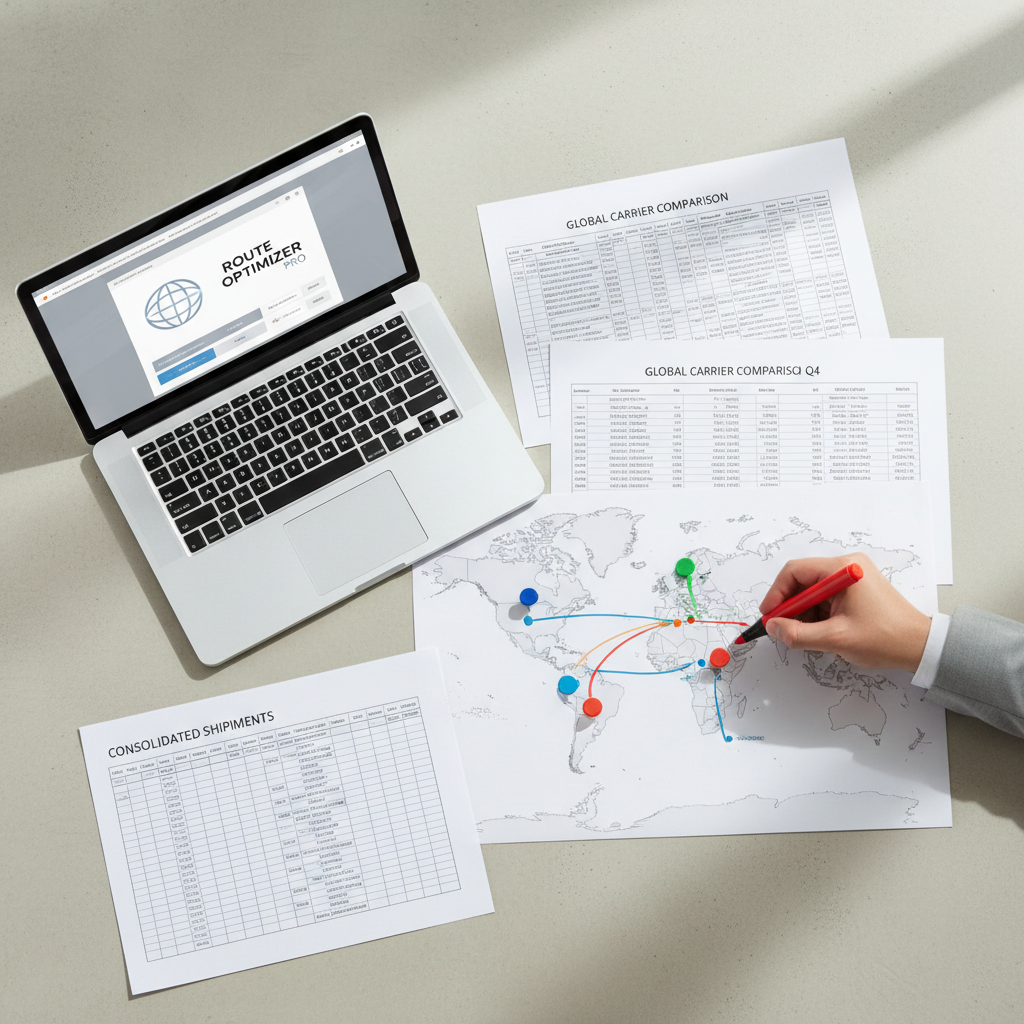
Freight brokers have access to a broad range of carriers and modes of transportation, allowing them to find the most cost-effective options. Their ability to consolidate shipments and optimize routes can result in lower shipping costs for businesses.

Myth 3: All Freight Brokers Are the Same
Some believe that all freight brokers offer the same services and have similar capabilities. This is far from reality. Freight brokerage firms vary widely in terms of expertise, network, and technology. Choosing the right broker can make a significant difference in the efficiency and cost-effectiveness of your logistics operations.
Choosing the Right Broker
When selecting a freight broker, businesses should consider factors such as industry experience, reputation, and technological capabilities. A broker with a robust digital platform can offer real-time tracking and better communication, enhancing the overall shipping experience.

Myth 4: Freight Brokers Lack Accountability
Concerns about accountability often arise when discussing freight brokers. However, reputable brokers take responsibility for their role in the shipping process. They ensure that carriers meet safety and compliance standards, reducing the risk of delays and other issues.
Ensuring Compliance and Safety
Freight brokers vet carriers thoroughly, checking for valid licenses, insurance, and safety records. This diligence ensures that shipments are handled by reliable and compliant carriers, providing peace of mind for businesses relying on their services.
In conclusion, understanding the true role and benefits of freight brokerage services can lead to more informed decisions and optimized logistics operations. By debunking these common myths, businesses can take full advantage of what freight brokers have to offer.