Case Study: Efficient Freight Movement Through New York’s Busy Ports
Introduction
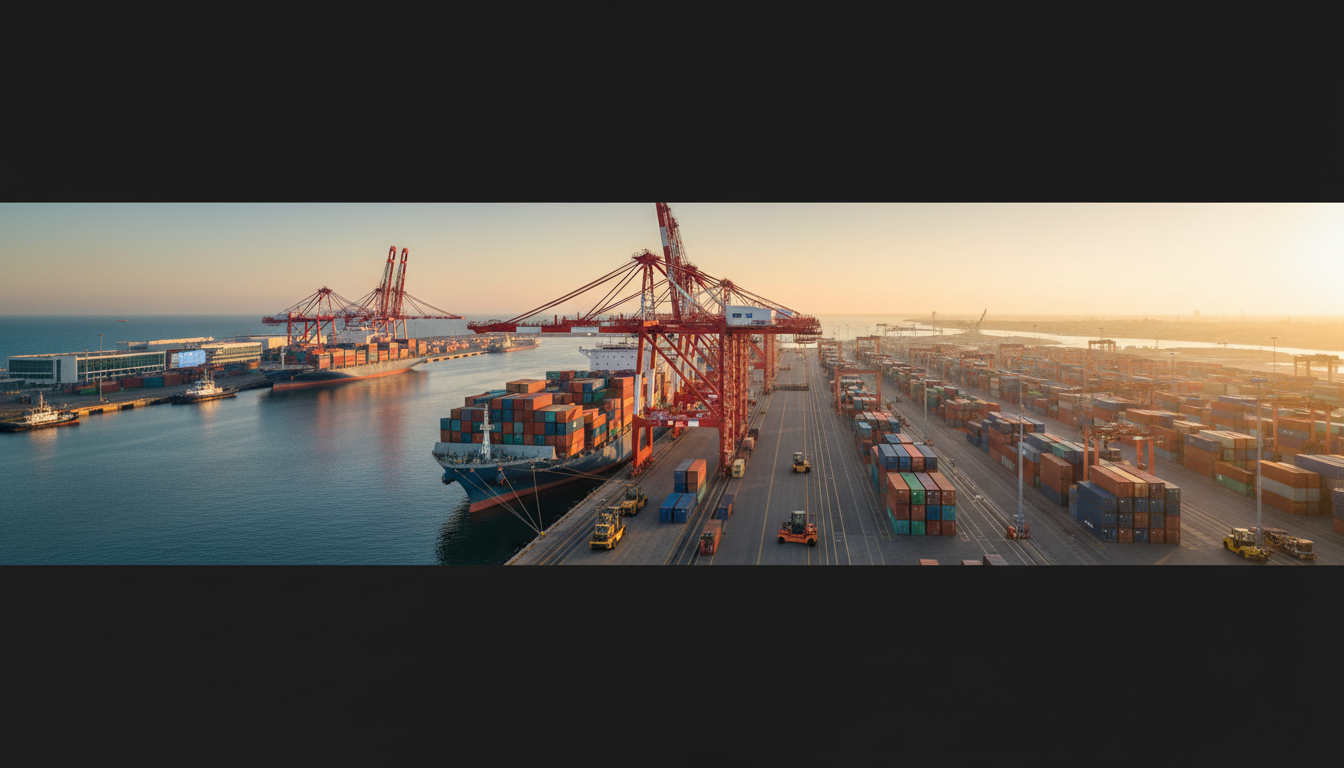
New York's ports are among the busiest in the United States, acting as vital gateways for international trade. Managing the efficient movement of freight through these bustling hubs is crucial for economic stability and growth. This case study explores how innovative strategies and technologies are improving freight efficiency at these ports.
Challenges of Freight Movement
Handling massive volumes of goods presents several challenges, including congestion, regulatory compliance, and infrastructural constraints. These factors can lead to delays, increased operational costs, and environmental impacts. Addressing these issues is essential for maintaining the port's competitive edge.
Congestion, in particular, is a significant concern. High traffic volumes can lead to bottlenecks, slowing down the entire logistics chain. Additionally, compliance with ever-evolving regulations requires constant adaptation and investment from port authorities and stakeholders.
Innovative Solutions
Recent advancements have introduced solutions such as integrated logistics platforms, real-time tracking systems, and automated cargo handling. These technologies streamline operations, reduce waiting times, and enhance overall efficiency. By leveraging data analytics, ports can optimize their processes and predict potential disruptions.

Moreover, the adoption of green technologies is playing a crucial role. Electric and hybrid vehicles, along with energy-efficient infrastructure, contribute to reducing the environmental footprint of freight operations. This shift not only aligns with global sustainability goals but also improves the port's reputation among environmentally-conscious clients.
Collaborative Efforts
Collaboration between public and private sectors is vital for implementing these innovations. Stakeholders, including government agencies, shipping companies, and technology providers, are working together to create a cohesive strategy for efficient freight movement. Public-private partnerships are particularly effective in funding and executing large-scale projects.

Impact on the Economy
The improvements in freight efficiency have a positive ripple effect on the economy. By reducing delays and costs, businesses can offer more competitive pricing, benefiting consumers and boosting trade activities. Efficient ports also attract more international partners, further enhancing economic growth.
According to recent studies, every dollar invested in port efficiency can yield significant returns through increased trade volume and job creation. This underscores the importance of continued investment and innovation in port operations.
Conclusion
Efficient freight movement through New York's busy ports is a testament to the power of innovation and collaboration. By addressing challenges and embracing new technologies, these ports are setting a benchmark for others worldwide. As these strategies continue to evolve, they promise to bolster economic growth and sustainability for years to come.